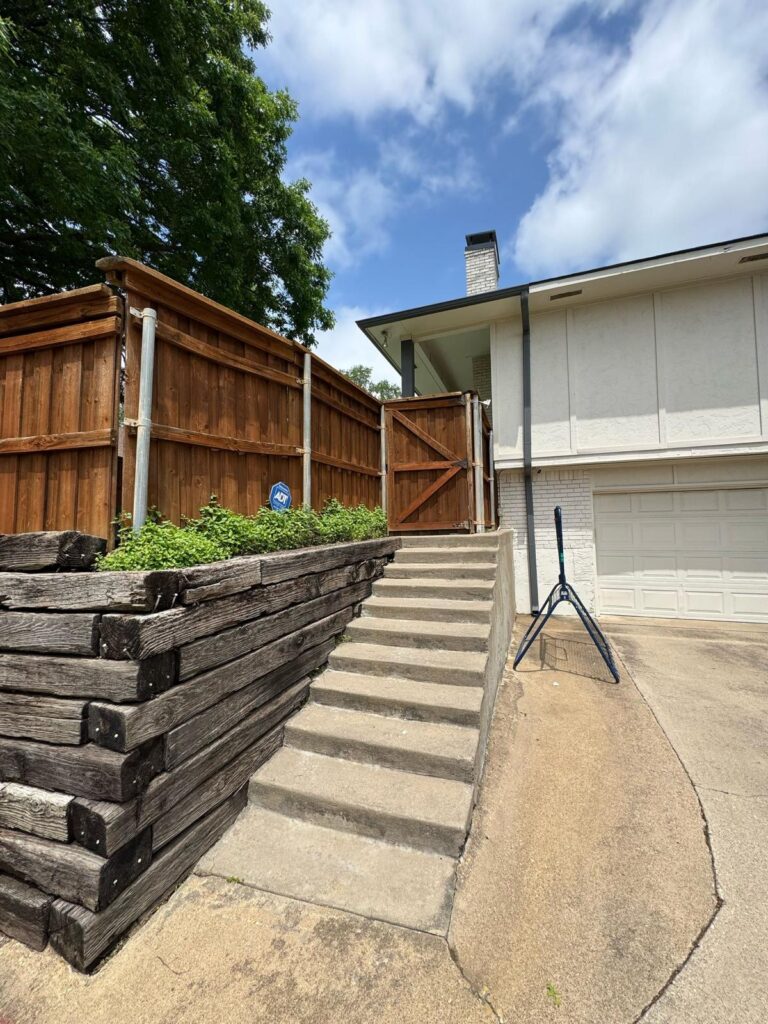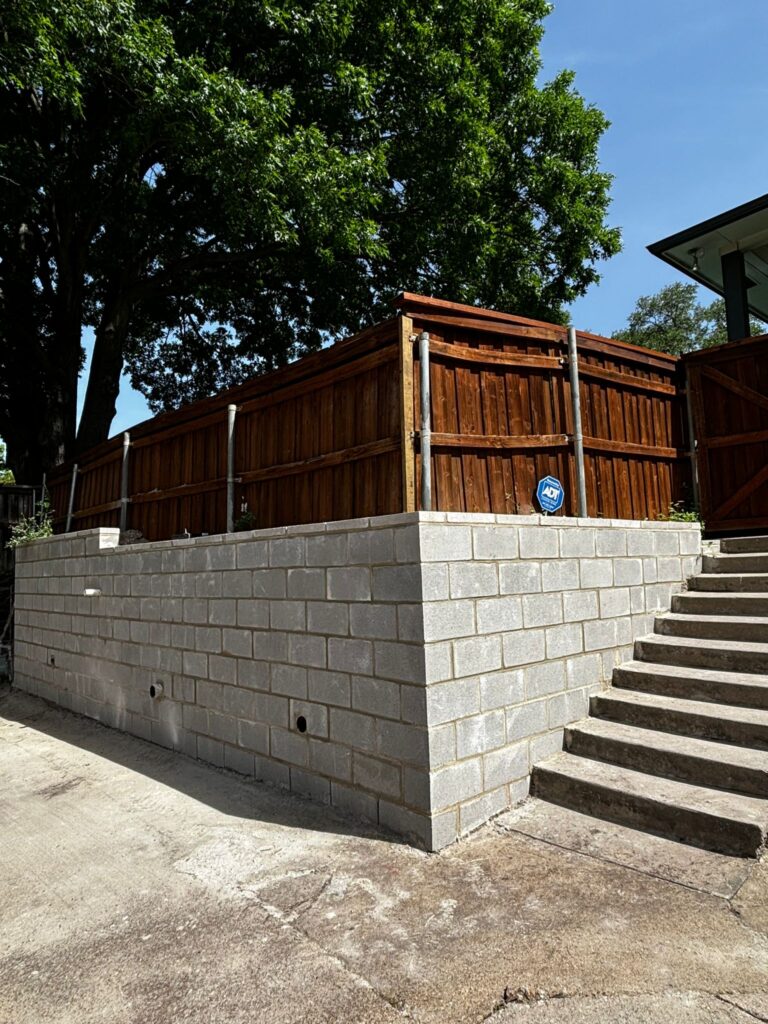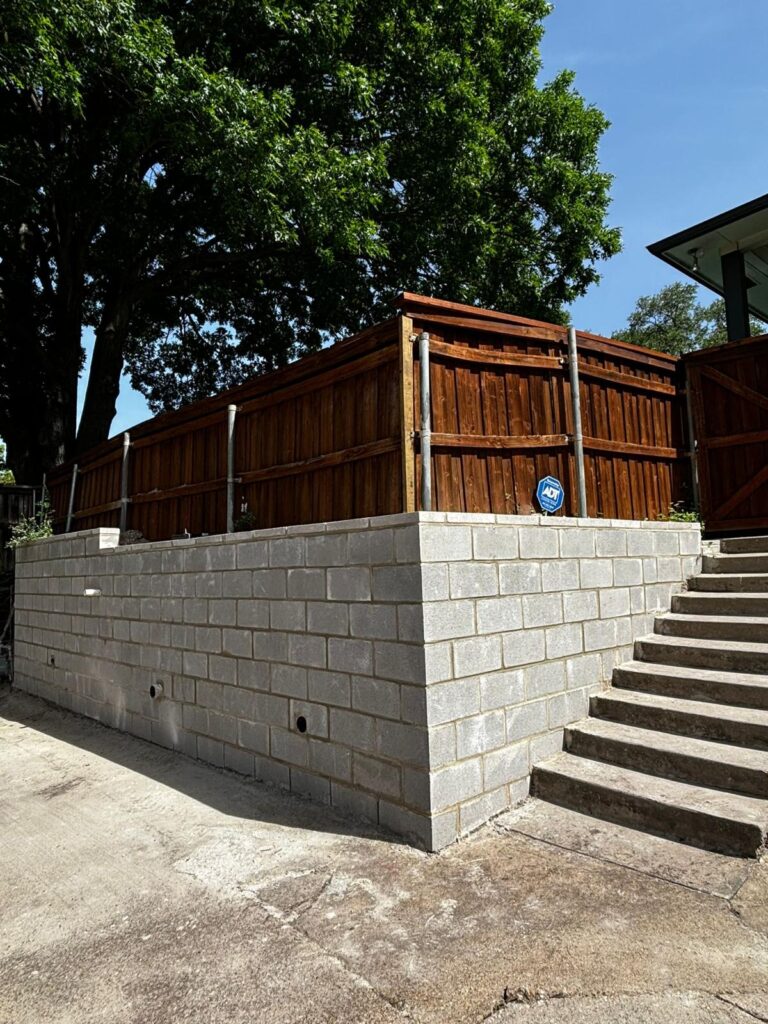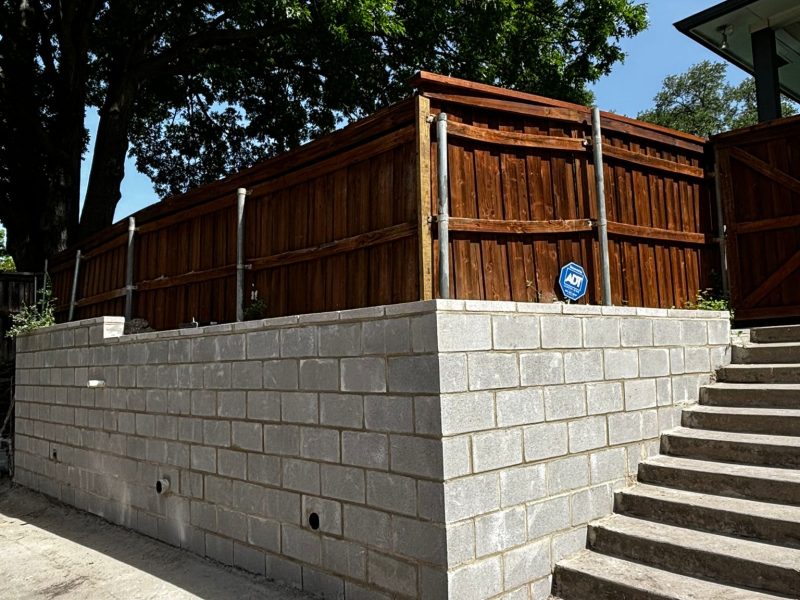
Arlington, Texas, homeowners often face significant challenges when managing properties with varied topography. From the rolling hills near Lake Arlington to the sloped lots in central neighborhoods, soil erosion is a persistent threat to landscape stability and home foundations. The primary culprit is the combination of intense North Texas rain cycles and the high clay content of the local soil. When heavy rains hit a sloped area, the water moves with enough velocity to strip away topsoil and carve deep gullies into the landscape. Over time, this uncontrolled runoff can undermine fence posts and patios and even the structural integrity of your home. As we move through 2026, our top recommendation for solving these issues is the installation of segmental block retaining walls. These engineered systems offer a level of flexibility and durability that traditional poured concrete or timber walls simply cannot match. This guide explains the technical superiority of segmental blocks in the DFW environment.
The Flexibility of Segmental Systems in Clay Soil
One of the most important layout secrets for Arlington landscapes is the use of a flexible wall system. Unlike rigid poured concrete walls, which are prone to cracking when the ground shifts, segmental block walls are dry-stacked. This means they are held together by gravity and mechanical interlocks instead of mortar. In the expansive clay soil of North Texas, the ground is constantly moving based on moisture levels. A segmental wall can handle these micro movements by shifting slightly without losing its structural integrity. In 2026, we utilize blocks with integrated shear pins or lips that lock each course to the one below it. This creates a cohesive unit that can withstand immense lateral pressure while remaining flexible enough to avoid the brittle fractures seen in masonry walls. This ability to breathe with the Texas soil is why segmental systems are the premier choice for long-term erosion control.
- Interlocking Design: Mechanical pins and lips ensure that blocks stay aligned even under the pressure of saturated clay soil.
- No Mortar Required: The absence of rigid mortar joints allows the wall to flex naturally with seasonal temperature and moisture changes.
- Structural Longevity: Segmental walls are designed to last decades without the maintenance costs associated with repairing cracked concrete.
Superior Drainage Capabilities of Dry Stack Walls
Hydrostatic pressure is the leading cause of retaining wall failure on Arlington slopes. When water builds up behind a solid wall, the weight can eventually push the structure over. Segmental block walls provide a built-in advantage because they are naturally permeable. Small amounts of water can weep through the gaps between the blocks, providing an immediate pressure relief valve during a heavy downpour. To pass a 2026 Arlington inspection, we enhance this natural drainage by installing a dedicated gravel chimney behind the blocks. This ensures that water is directed quickly toward the perforated drain pipe at the base of the wall. By managing the water flow at the source, we prevent the soil from becoming a heavy liquid mass that threatens the structure. This technical approach to drainage is what makes our walls pass the test of both time and municipal codes.
Efficiency and Speed of Installation
For Arlington homeowners looking to stop erosion quickly, the speed of installation is a major benefit of segmental blocks. Because these systems do not require deep frost footings or the curing time of poured concrete, a project can often be completed in a fraction of the time. In 2026, we utilize pre-engineered blocks that are uniform in size and weight, allowing for a precise and efficient build process. This is particularly important during the rainy spring and fall seasons in North Texas when an open excavation is vulnerable to washouts. By choosing segmental blocks, we can stabilize a slope and install the drainage system in a matter of days. This quick turnaround limits the disruption to your property and ensures that your landscape is protected before the next major storm hits. The modular nature of the blocks also allows us to build curved walls that follow the natural contours of your land.
Aesthetic Versatility for Modern Landscapes
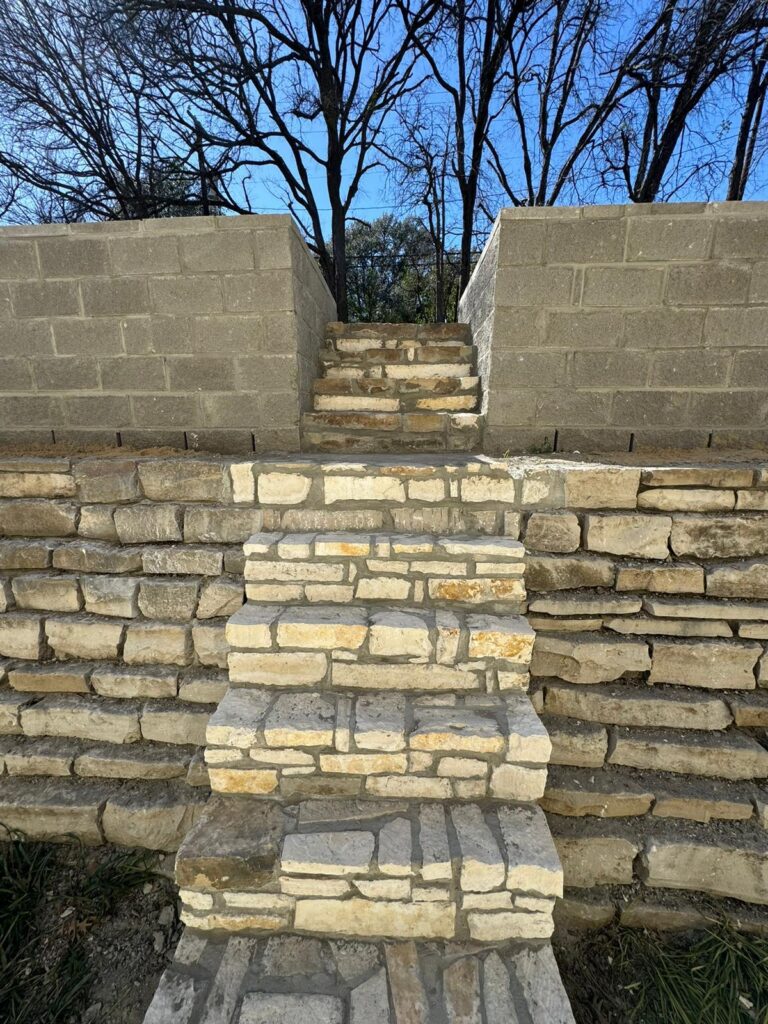
Erosion control does not have to look like an industrial project. In 2026, segmental blocks are available in a vast array of textures and colors that mimic natural stone like limestone or granite. Whether your Arlington home is a classic mid-century design or a modern townhome, there is a block style that will complement your architecture. We often use weathered textures to give the wall a timeless and organic look that blends into the surrounding gardens. Because these walls can be built with tight curves and integrated steps, they offer more design freedom than straight poured walls. This allows us to create beautiful terraced gardens that turn a useless and eroding slope into a functional outdoor living space. You can add value to your home by transforming an eyesore into a multi-level landscape feature that serves both a structural and aesthetic purpose.
- Stone Mimicry: Advanced manufacturing processes create block faces that look identical to expensive, natural quarried stone.
- Color Blending: We select earth-toned palettes that match the native Texas landscape and enhance the curb appeal of your property.
- Integrated Features: Segmental systems easily allow for the addition of built-in seating, planters, and lighting within the wall structure.
Cost Effectiveness and Long-Term Value
When comparing the lifetime cost of erosion control, segmental block walls are the most economical choice for Arlington residents. While the initial material cost may be higher than timber, wood walls eventually rot and require total replacement within ten to fifteen years. Segmental blocks are made of high-density concrete that does not decay or suffer from pest damage. In 2026, the resale value of a home with a professionally engineered segmental wall is significantly higher because buyers recognize the durability of the system. Additionally, the ease of repair is a major advantage. If a single block is damaged, it can be replaced without tearing down the entire structure. This modularity provides peace of mind that your investment is protected. By choosing a high-performance material from the start, you avoid the recurring costs of temporary fixes and ensure that your property value remains stable.
Technical Standards for High Slopes
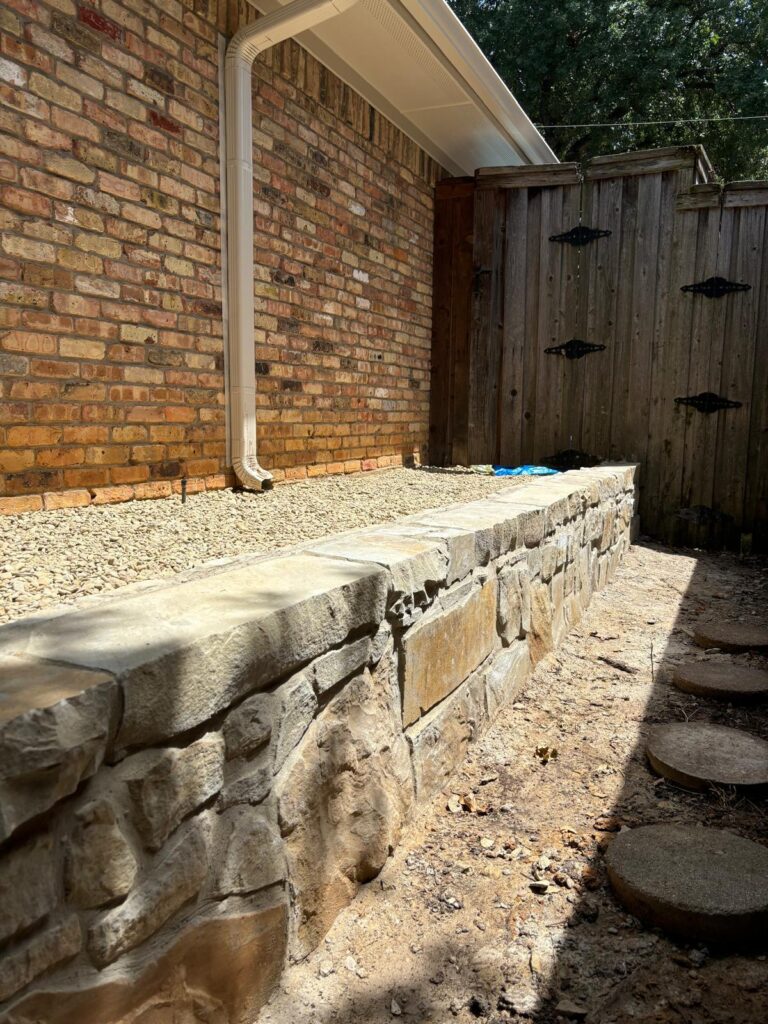
For slopes that are particularly steep or tall, we utilize geogrid reinforcement to tie the wall into the hillside. Geogrid is a high-strength synthetic mesh that is laid between the courses of block and extended back into the reinforced soil zone. This creates a massive composite structure that uses the weight of the soil to hold the wall in place. In 2026, Arlington building codes require this type of reinforcement for any wall over four feet or those supporting a significant slope. Our technical team calculates the exact length and spacing of the geogrid based on the soil type and the degree of the slope. This engineering step is what allows us to build tall and stable walls on the most challenging Arlington lots. By reinforcing the earth itself, we ensure that the slope cannot slide forward, providing a permanent solution to even the most severe erosion problems.
Conclusion
Solving soil erosion on Arlington slopes requires a combination of local expertise and high-performance materials. Segmental block walls provide the ideal solution because they offer the flexibility needed for North Texas clay and the drainage capacity required for heavy rains. By choosing a system that is engineered for longevity and aesthetic beauty, you can protect your property and enhance your outdoor living space at the same time.
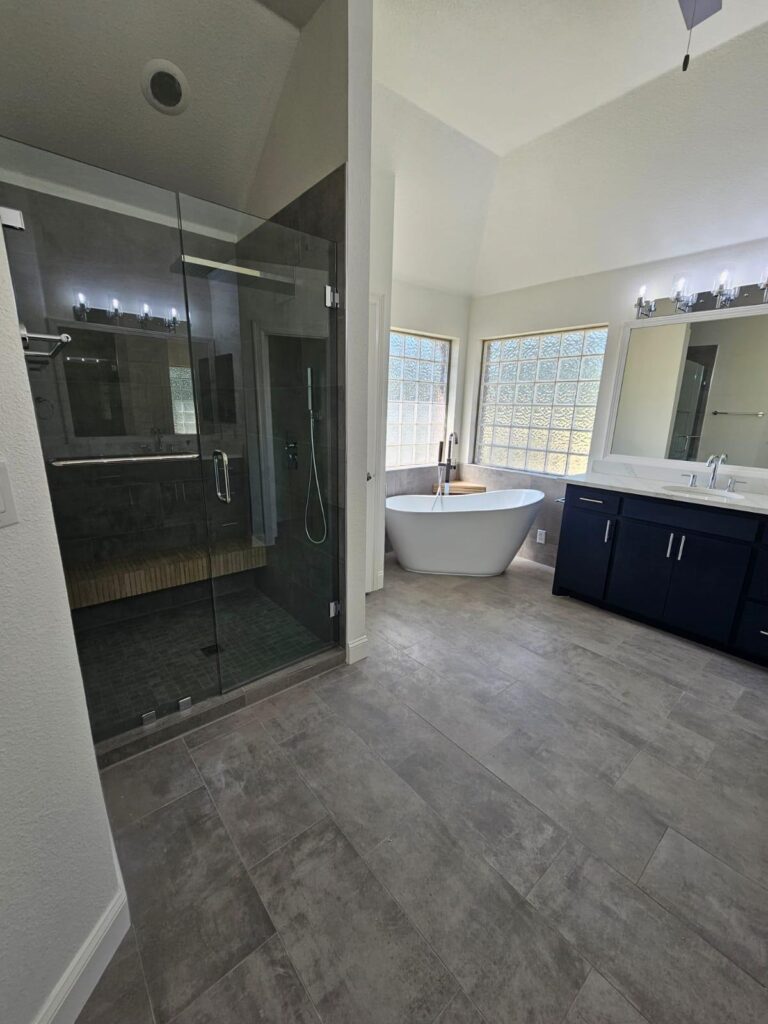
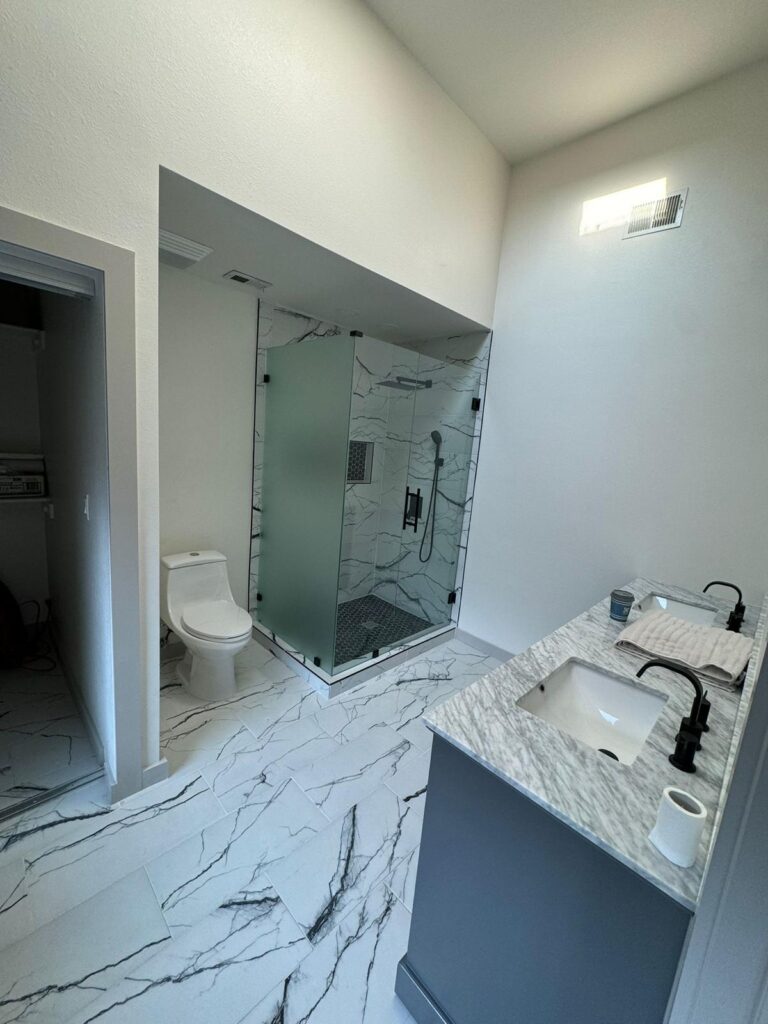
Transforming your home is a journey that begins with a clear vision and professional expertise. To learn more about the latest construction standards and design innovations in the North Texas area, you can explore our comprehensive remodeling blog and design guides for local inspiration. If your current bathroom is suffering from outdated plumbing or you are ready to start a high-end zero-entry transformation, securing expert consultation and accurate project estimation is the most effective way to ensure a seamless experience. You can view our history of craftsmanship and client success to see how we have revitalized homes across Arlington. At Modern Build Solutions, we offer tailored renovation and master suite services designed to meet the unique structural needs of mid century properties. We are dedicated to helping you create a space that balances modern luxury with the classic character of your Arlington residence.
FAQ
Are segmental block walls more expensive than timber?
Yes. The initial cost of concrete blocks is higher, but they last fifty years or more while timber walls rot and need replacement in about ten years.
Do I need a permit for an erosion control wall in Arlington?
Any wall over four feet tall requires a permit and engineered plans according to the 2026 Arlington building codes.
Can segmental blocks be used for curved walls?
Yes. One of the biggest advantages of segmental systems is their ability to create smooth and natural curves that follow the landscape.
How do segmental walls handle the Texas heat?
High-density concrete blocks are extremely resistant to UV damage and thermal expansion, making them perfect for the intense DFW climate.
What is a geogrid, and do I need it?
Geogrid is a mesh that strengthens the soil behind the wall. It is usually required for walls over four feet or on steep slopes.
Will a segmental wall stop my yard from washing away?
Yes. By reducing the speed of water runoff and stabilizing the soil, these walls are the most effective way to stop slope erosion.
Can I build a segmental wall myself?
Small garden walls are possible for DIY but any structural wall over three feet should be installed by a professional to ensure safety.
What colors do segmental blocks come in?
They come in a wide range of earthy tones, including tans and grays, and browns, designed to match North Texas stone.
How long does it take to build a segmental wall?
Most residential erosion control walls can be completed in three to seven days, depending on the size and site access.
Is maintenance required for these walls?
Very little. You should occasionally check the drainage outlets to ensure they are clear of debris but the blocks themselves require no care.