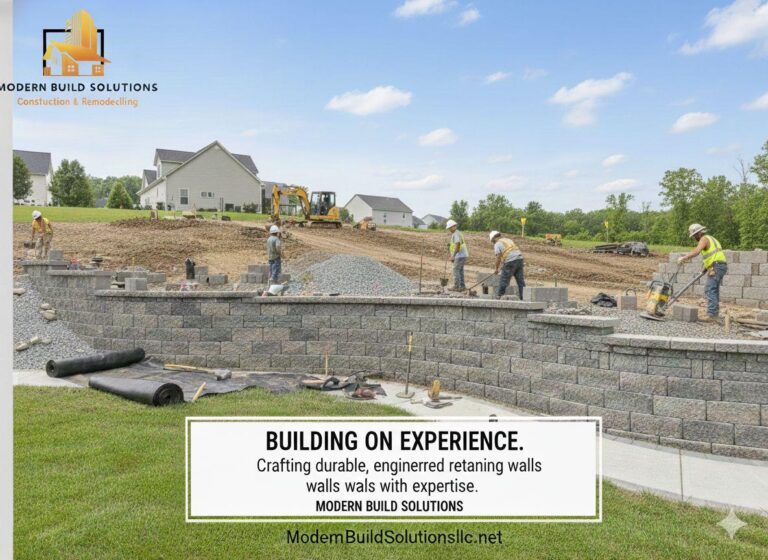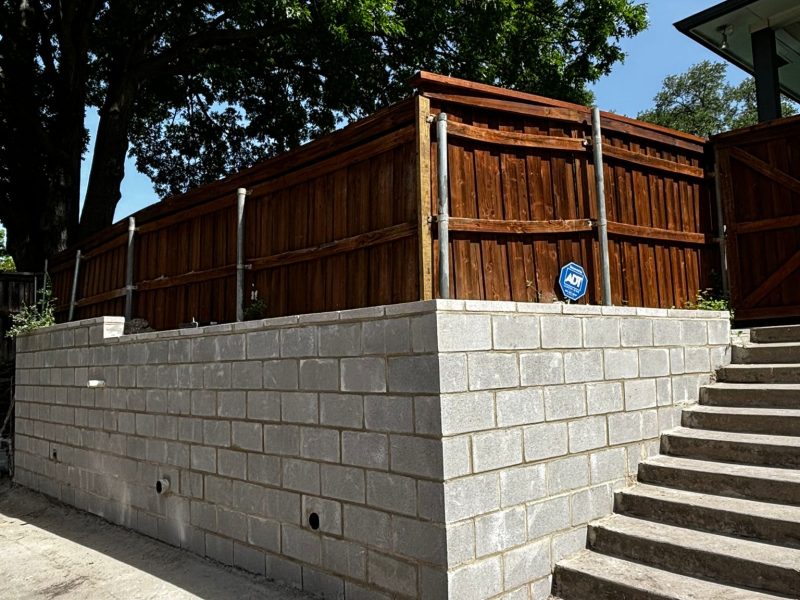
Retaining walls do more than hold back soil; they shape your entire landscape, prevent erosion, and add structure to outdoor spaces. For Arlington homeowners, these walls face constant pressure from heavy Texas rains, shifting clay soil, and summer heat. Over time, even the strongest walls begin to crack, lean, or collapse if they weren’t properly installed or maintained.
Replacing a retaining wall is a major investment, but when done strategically, it can completely transform your property’s strength and appearance. A smart approach focuses not only on rebuilding but on improving design, materials, and drainage systems to prevent future failure.
In this guide, we’ll explore how to handle retaining wall replacement in Arlington, TX, the right way, step by step, while balancing cost, safety, and long-term durability.
1. When to Replace Instead of Repair
- Deep cracks or bulging sections indicate structural failure.
- Leaning or sinking means foundation instability.
- Poor drainage or standing water near the wall.
- Erosion or soil loss behind the wall after heavy rain.
- Signs of rot, rust, or crumbling materials.
If you’ve noticed any of these problems in your property, it may be time to consider replacement. Minor cosmetic issues can often be patched or reinforced, but once the wall loses structural integrity, repairs become temporary.
Because Arlington sits on clay-rich soil that expands and contracts dramatically with moisture, older retaining walls often shift or bow over time. Replacing them ensures stability for decades to come, especially when paired with better foundation support and improved water control. For more insight, visit this retaining wall service page.
2. Why Retaining Walls Fail in Arlington, TX
Understanding the causes of wall failure helps you build smarter replacements that last longer. Common reasons include:
- Poor drainage allows water to accumulate behind the wall.
- Insufficient base preparation during the initial construction.
- Use of weak or improper materials not suited to Texas weather.
- Tree roots and ground movement are pushing against the wall.
- Neglected maintenance leads to small cracks that expand over time.
Many retaining walls in Arlington neighborhoods were built decades ago when drainage standards were lower. Modern replacements integrate gravel backfill, weep holes, and perforated pipes to keep water moving away from the wall. These updates drastically reduce pressure buildup and prevent the same failures from happening again.
You can read more about effective wall materials here.
3. Choosing the Right Material for Long-Term Strength
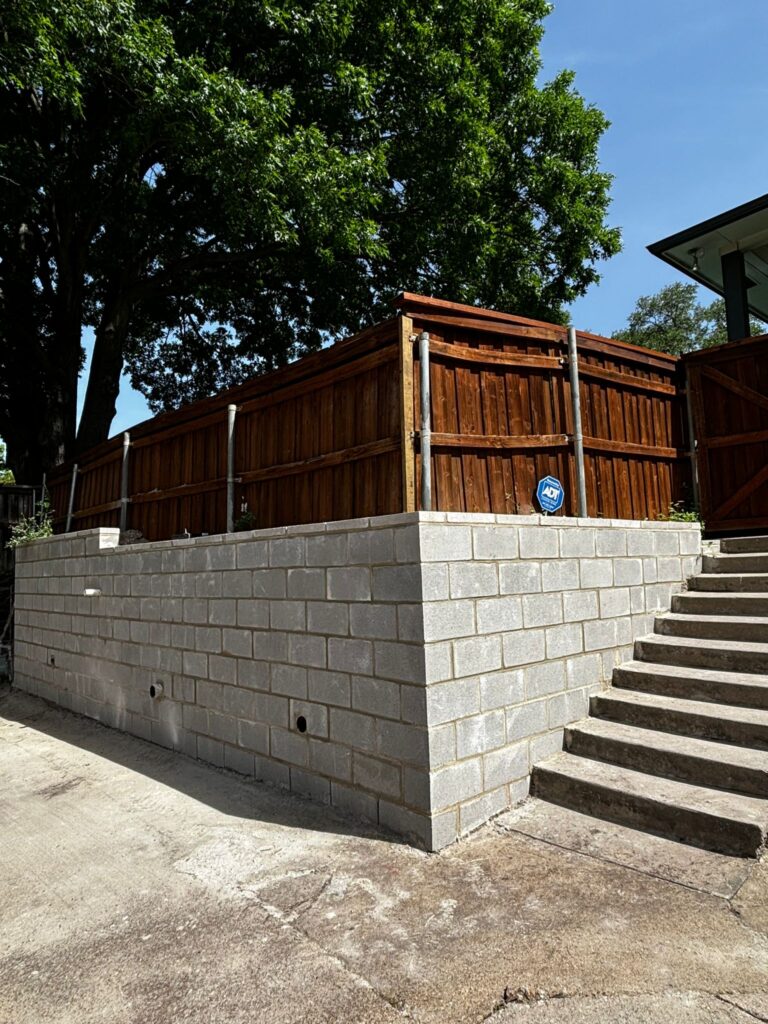
- Concrete block walls offer strength and flexibility for modern designs.
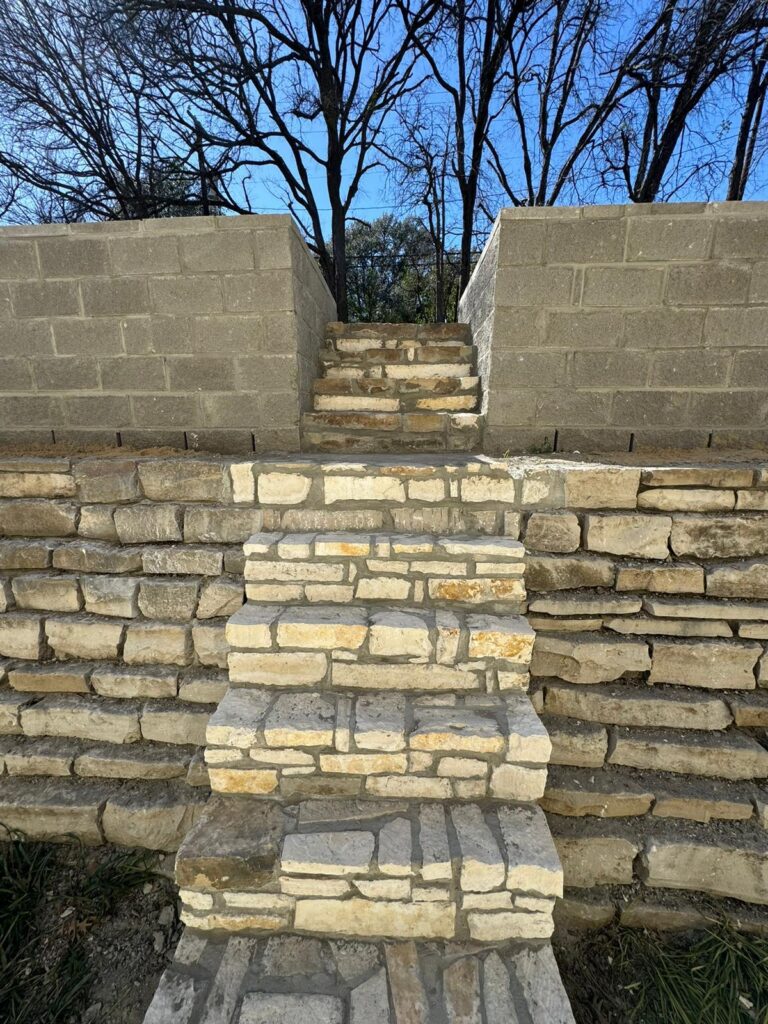
- Natural stone walls create a timeless, upscale appearance.
- Timber retaining walls work for budget-friendly and small landscape projects.
- Poured concrete walls provide maximum structural stability for steep slopes.
Each material comes with its pros and cons depending on soil type, slope, and design goals. In Arlington, where the ground tends to shift during dry and wet seasons, reinforced concrete or interlocking block systems perform best for longevity.
Homeowners often underestimate how material choice affects wall life span. A strong material combined with proper drainage can last up to 50 years, while untreated wood walls might fail in less than 15. For expert advice on material selection, see this detailed service page.
4. Smart Design Considerations Before Rebuilding
Replacing a retaining wall isn’t just about copying the old structure; it’s an opportunity to design smarter and future-proof your property. Professional contractors evaluate multiple factors before starting construction, including:
- The slope and elevation of your yard.
- The load pressure from soil and water behind the wall.
- Drainage channels and landscape grading.
- Access points for equipment during the project.
- Local building permits and regulations.
This design-first approach ensures your new wall complements both function and aesthetics. A well-planned replacement can also improve yard usability, creating more level spaces for patios, gardens, or play areas. You can learn more about integrated design options here.
5. How Proper Drainage Protects Your Investment
- Include gravel backfill to help water escape easily.
- Install perforated drainpipes behind the wall base.
- Add weep holes for constant pressure release.
- Grade the landscape to direct runoff away from structures.
Poor drainage is the number one cause of retaining wall failure. Heavy rainfall can saturate the soil, increasing hydrostatic pressure until the wall cracks or tilts.
Modern replacements emphasize drainage just as much as structural strength. By allowing water to move freely, you prevent pressure buildup, erosion, and costly repairs. Homeowners who add a proper drainage layer often see their new walls last twice as long as previous ones. Read about landscape drainage methods here.
6. Professional vs. DIY: Which Option Is Right for You
Replacing a retaining wall might look simple from the outside, but it requires technical knowledge of soil physics, water control, and load distribution.
Professionals bring advantages like:
- Accurate site analysis to determine wall height and reinforcement.
- Access to heavy equipment for excavation and compaction.
- Licensed engineering plans for taller or complex structures.
- Warranty coverage that protects against premature failure.
DIY projects can be tempting for small walls, but in Arlington’s unpredictable soil, even a minor miscalculation can lead to costly reconstruction. Choosing an experienced local team ensures compliance with city codes and long-term safety. You can find licensed experts near you here.
7. Balancing Budget and Quality
- Get at least three quotes from reputable local contractors.
- Ask for a clear breakdown of labor, materials, and drainage components.
- Verify warranty length for both materials and installation.
- Avoid vague or suspiciously low estimates.
In Arlington, the average retaining wall replacement cost depends on the wall’s size, material, and location. But the cheapest option isn’t always the best. Quality construction with durable materials reduces long-term expenses and minimizes maintenance needs.
The smartest investment is one that combines reasonable cost with superior durability. Be sure to choose a provider who focuses on transparency and communication throughout the project. See more about service planning here.
8. How to Enhance Aesthetics During Replacement
Retaining walls don’t just serve a functional purpose they’re also a key part of your property’s visual appeal. Replacing a failing wall gives you a chance to refresh your entire outdoor design.
Aesthetic upgrades might include:
- Adding terraced levels for gardens or seating.
- Using contrasting stone colors for a modern style.
- Integrating built-in lighting for night ambiance.
- Combining planters and greenery for a natural texture.
Homeowners in Arlington often blend form and function by selecting decorative concrete or stone finishes that complement their home’s exterior. These upgrades enhance both property value and curb appeal. Explore more design inspiration here.
9. Scheduling the Replacement at the Right Time
Timing is critical when replacing a retaining wall. The best time for most projects is during dry, moderate seasons, typically spring or early fall, when soil moisture is stable.
Avoid replacing walls right after heavy rain, as wet soil may collapse during excavation. Contractors often monitor weather forecasts and ground conditions closely to determine safe installation windows.
Planning ahead ensures that materials cure properly, drainage settles efficiently, and your landscape recovers faster. You can schedule a site consultation here.
10. Post-Replacement Maintenance Tips
Even a perfectly built wall needs periodic care. Keeping it in top condition helps it last longer and retain its beauty.
- Inspect for cracks or shifting at least once a year.
- Clear vegetation that grows too close to the wall.
- Maintain proper water flow in drains and weep holes.
- Avoid piling soil or mulch directly against the wall face.
- Reapply sealant to concrete or stone surfaces every few years.
For homeowners, proactive maintenance saves time and prevents small issues from becoming major reconstruction projects later. You can find additional upkeep tips here.
Conclusion
Replacing your retaining wall is more than just fixing a problem; it’s an opportunity to build a stronger, smarter, and more beautiful landscape. With Arlington’s unique soil and weather conditions, a well-engineered wall replacement ensures your yard stays secure, functional, and visually appealing for years to come.
Whether your current wall is leaning, cracked, or showing signs of erosion, acting early can save both time and money. Prioritize drainage, material quality, and design improvements to create a structure that supports your property long-term.
For expert craftsmanship and reliable retaining wall replacement, contact trusted local specialists here.
Modern Build Solutions proudly helps homeowners enhance their landscapes through durable retaining wall construction, foundation repair, and complete outdoor renovation. Learn more about the company here or explore related services here.
Frequently Asked Questions
1. How do I know if my retaining wall needs replacement?
If it’s leaning, cracked, or bulging significantly, it likely requires full replacement.
2. What’s the best material for retaining walls?
Concrete block and poured concrete perform best in shifting clay soils.
3. How long does replacement take?
Most projects take between three to seven days, depending on wall size.
4. Can I replace just a section of my wall?
Sometimes yes, but full replacement is usually safer if structural damage is widespread.
5. What’s the average lifespan of a retaining wall?
A properly built concrete or stone wall can last 40–50 years with maintenance.
6. How do I prevent my new wall from failing?
Include proper drainage, compacted backfill, and regular inspection.
7. Do I need permits for replacement?
Yes, taller or load-bearing walls often require city approval and inspection.
8. Are timber retaining walls durable in Texas?
They’re cost-effective but have a shorter lifespan due to humidity and termites.
9. What improves the appearance of a retaining wall?
Add lighting, decorative stone, or terraced planters for design impact.
10. Where can I find professional retaining wall replacement near me?
Visit this service page for reliable local experts.