Arlington property owners often face challenges caused by sloped yards, shifting soil, and heavy seasonal rain. These conditions can lead to erosion, drainage issues, or unstable outdoor areas that become difficult to maintain. Retaining walls provide a practical and attractive solution by supporting soil, improving yard structure, and directing rainwater away from vulnerable zones. As homeowners explore property stability insights and drainage improvement planning ideas, retaining walls become a reliable way to protect both landscape design and home foundations. Modern retaining wall systems help manage soil movement, prevent washouts, and create usable space across uneven ground. This guide explains how these structures benefit Arlington homes and why they remain essential for long-term slope and rainwater management.
Retaining Walls Provide Structural Stability on Sloped Properties
Homes built on sloped terrain often experience soil shifting, especially after rainfall. Retaining walls help counter this movement by creating stable, reinforced layers that hold soil firmly in place. This support reduces the risk of erosion and protects landscaped areas from sliding or collapsing. Many Arlington homeowners rely on slope support recommendations to determine the right wall height and materials for their property. When designed correctly, retaining walls ensure long-term safety and preserve outdoor spaces that would otherwise be difficult to maintain.
Properly Built Retaining Walls Reduce Soil Erosion
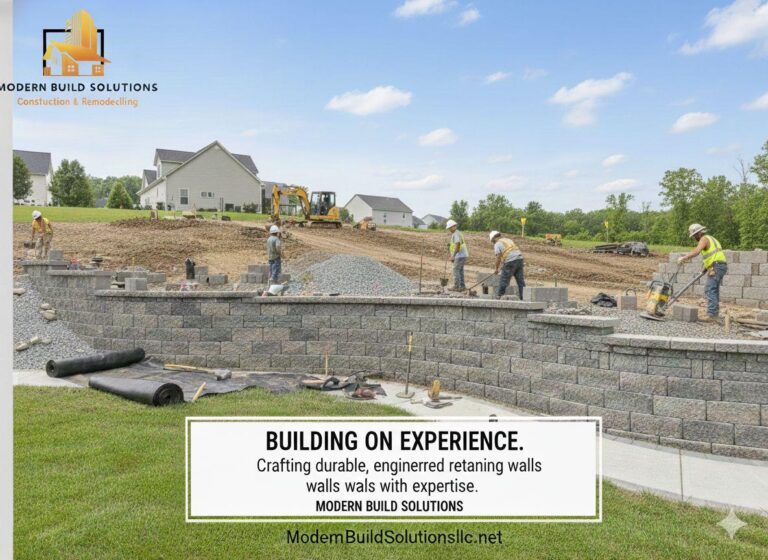
Erosion is a common issue in yards with uneven ground or areas exposed to strong water flow. Retaining walls break up slopes into manageable sections, slowing water movement and keeping soil where it belongs. This helps maintain yard shape and prevents damage to gardens, walkways, and patios.
Benefits of erosion control through retaining walls:
- Prevents soil loss during heavy rain
- Protects landscaping features from washout
- Reduces maintenance required for sloped areas
- Helps maintain safe and accessible outdoor spaces
Retaining Walls Improve Rainwater Flow and Drainage Paths
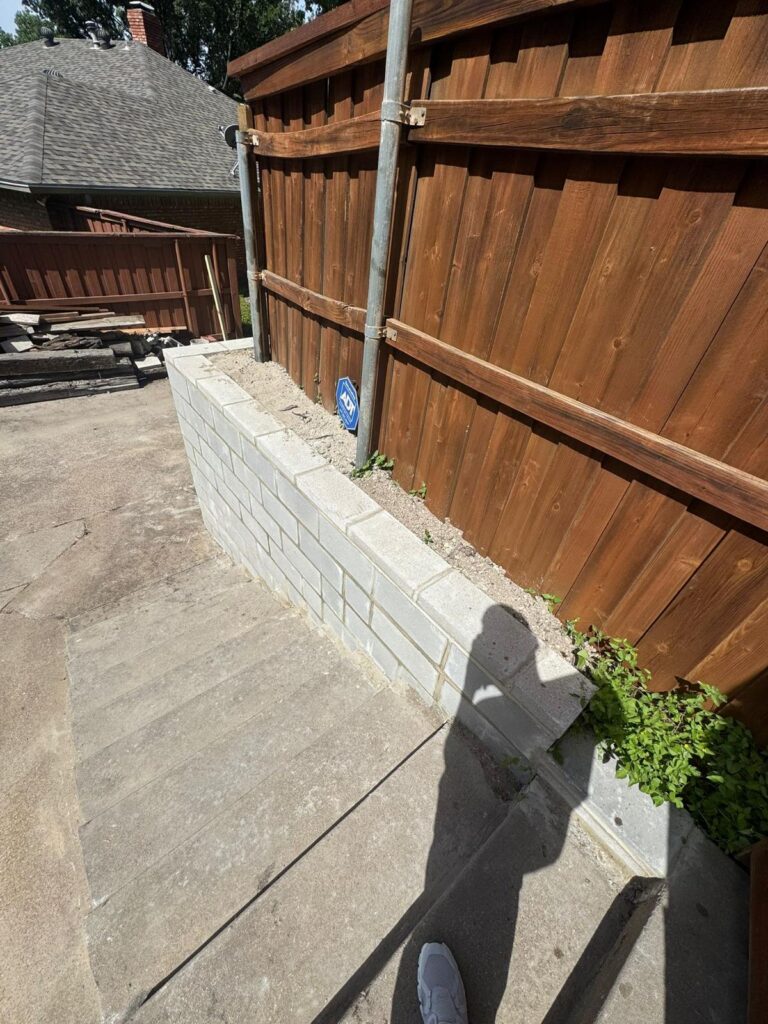
Effective drainage is essential on Arlington properties, especially during periods of strong rainfall. Retaining walls guide water away from structures, preventing pooling near foundations or low-lying areas. Many homeowners use drainage system guidance notes when planning these upgrades, ensuring walls include proper gravel backfill, weep holes, or French drains. A well-designed retaining wall directs water safely across the property while maintaining soil stability. This approach helps prevent foundation issues and preserves overall yard integrity.
4. Terraced Retaining Walls Create Usable Outdoor Space
Properties with steep slopes can lack flat, functional areas for gardens, play zones, or seating. Terraced retaining walls break large slopes into multiple levels, transforming unusable ground into practical outdoor spaces. Each level can serve a different purpose while improving the property’s visual appeal.
Advantages of terraced retaining wall systems:
- Expands usable yard space
- Adds visual depth and structure
- Reduces soil compaction and water runoff speed
- Supports planting areas with improved drainage
Retaining Walls Protect Home Foundations from Water and Soil Pressure
Excessive moisture and unstable soil can put pressure on a home’s foundation. Retaining walls help ease this strain by controlling water movement and stabilizing the surrounding soil. Homeowners exploring property protection notes often choose reinforced wall designs that divert rainwater safely away from structural areas. By reducing hydraulic pressure and soil displacement, retaining walls play a crucial role in preventing cracks, settling, or long-term structural damage that can occur on improperly graded properties.
6. Durable Retaining Wall Materials Enhance Long-Term Performance
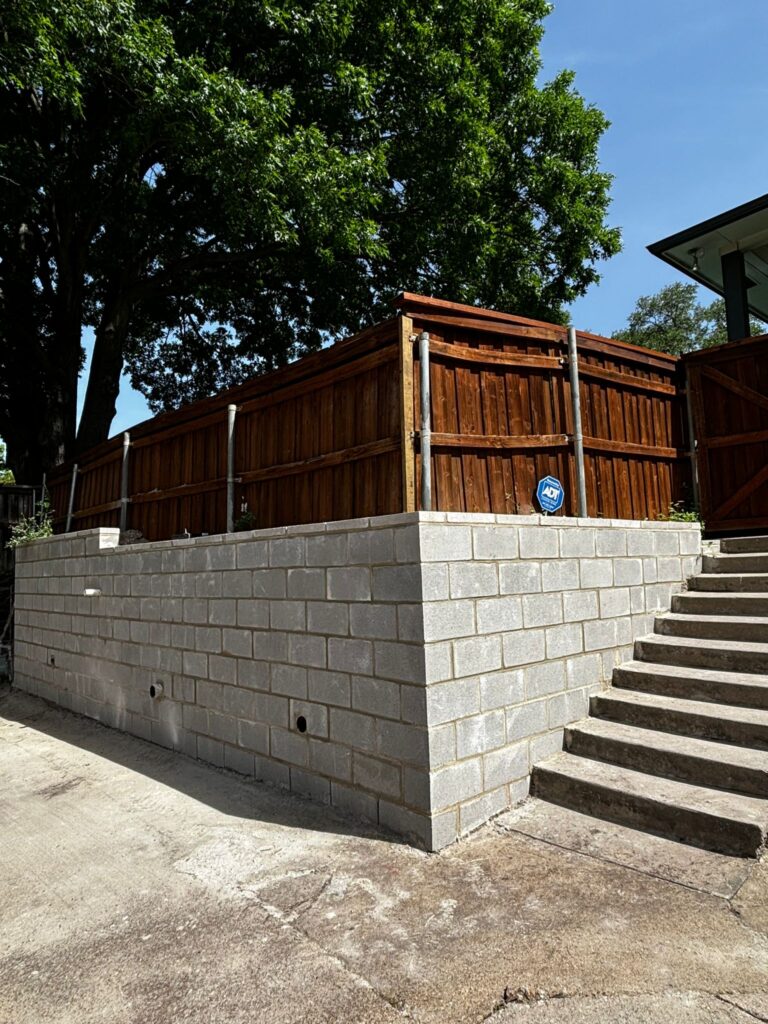
Arlington homeowners can select from materials designed to withstand local weather conditions while supporting soil and drainage needs. Concrete blocks, reinforced timber, natural stone, and poured concrete each offer unique benefits depending on slope height and soil type.
Why material quality matters:
- Ensures long-lasting durability
- Improves resistance to moisture and soil pressure
- Supports proper drainage design
- Helps maintain structural integrity during heavy rain
Retaining Walls Improve Landscape Design and Visual Appeal
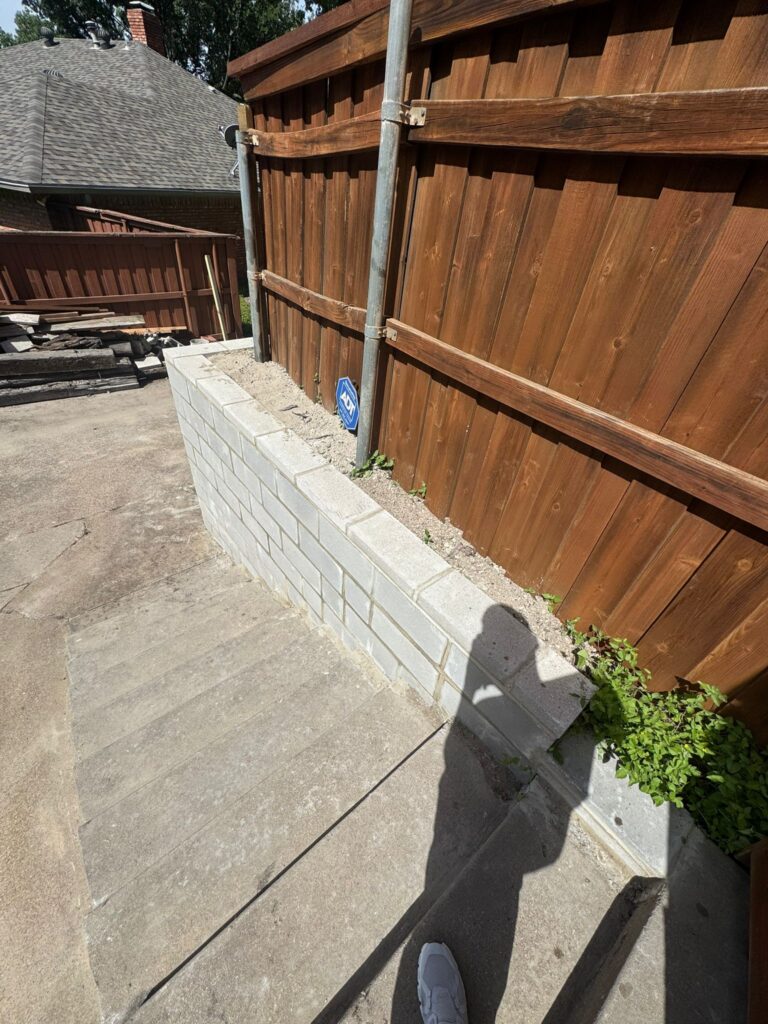
Beyond their functional benefits, retaining walls contribute to a more organized and aesthetically appealing landscape. They help define outdoor zones, support decorative plantings, and add shape to sloped yards. Many Arlington residents gather design layout inspiration to choose wall colors, textures, and patterns that complement their home’s architecture. Retaining walls can blend naturally into the terrain or create bold focal points, depending on design preferences, while still supporting essential soil and drainage functions.
Retaining Walls Work Best When Paired with Thoughtful Drainage Features
Retaining walls are most effective when integrated with proper drainage elements that control water movement. Installing gravel bases, weep holes, drainage pipes, or permeable materials helps water flow safely away from vulnerable areas. This combination ensures the wall remains strong over time.
Common drainage enhancements used with retaining walls:
- French drains for deep water control
- Gravel backfill to improve water movement
- Surface channels to guide rainfall runoff
- Perforated pipe systems for pressure reduction
Conclusion
Retaining walls play a vital role in helping Arlington homeowners manage sloped terrain, reduce erosion, and control rainwater flow. By supporting soil stability, improving drainage, and creating safer, more usable outdoor areas, these structures offer long-term protection for both landscapes and home foundations. With help from slope support recommendations and drainage improvement planning ideas, residents can choose wall designs that offer durability and visual appeal while addressing their property’s unique challenges. When professional installation becomes necessary, homeowners can connect with Modern Build Solutions, where assistance is available through the website’s communication channels to explore retaining wall options, request support, and learn more about related services that enhance long-term landscape stability.
Frequently Asked Questions
1. Do retaining walls really prevent erosion?
Yes, they stabilize soil by creating structured barriers that stop rainfall from washing soil downhill.
2. Can retaining walls help with poor drainage?
Absolutely. Many walls include drainage systems that redirect rainwater safely away from vulnerable areas.
3. Are retaining walls needed for small slopes?
Even small slopes can benefit from a wall if erosion or water pooling occurs regularly.
4. What materials last longest for retaining walls?
Concrete blocks, poured concrete, and natural stone offer excellent long-term durability.
5. Do terraced retaining walls require high maintenance?
Not typically. With proper drainage, they stay stable with minimal upkeep.
6. Can retaining walls protect a home’s foundation?
Yes, they help manage water flow and soil pressure around the foundation area.
7. Are retaining walls suitable for decorative landscaping?
Definitely. They enhance visual structure while supporting garden beds and pathways.
8. How high can a retaining wall be built?
Height depends on soil conditions and engineering needs. Larger walls often require reinforcement.
9. Do I need drainage behind every retaining wall?
Most walls benefit from drainage features to prevent moisture pressure and improve longevity.
10. How do I choose the right retaining wall design?
Consider slope size, soil type, water flow, and long-term maintenance needs. Reviewing property stability insights helps guide decisions.