Every homeowner in Arlington knows that a well-built retaining wall adds both stability and charm to a landscape. Beyond its purpose of preventing soil erosion, it defines outdoor spaces and enhances the entire appearance of your property. Yet over time, older retaining walls can crack, lean, or lose their strength, leading to both safety and visual concerns.
Upgrading your retaining wall is an investment in durability, design, and peace of mind. The right materials and construction techniques can transform your outdoor area into a solid, beautiful feature that withstands time and weather. Let’s explore how strategic retaining wall upgrades in Arlington, TX can improve your property’s curb appeal while ensuring lasting protection.
Why Upgrading Retaining Walls Matters
- Prevents costly soil erosion and foundation damage.
- Improves drainage for long-term stability.
- Enhances your landscape’s structure and beauty.
- Boosts property value and homeowner safety.
Retaining walls are essential for managing Arlington’s varied terrain, where heavy rain and soil movement can weaken older structures. Over time, even well-constructed walls may deteriorate under the pressure of poor drainage or weather exposure. By upgrading, you strengthen the foundation of your yard while refreshing its appearance.
High-quality materials and modern designs provide stronger resistance to moisture, soil expansion, and temperature changes. You can discover more about retaining wall services.
The Role of Design in Functional Landscaping
A retaining wall should look as good as it performs. Modern landscaping embraces the idea that structure and style can coexist perfectly in your yard.
Aesthetic design choices such as curved layouts, tiered gardens, or built-in seating can transform what was once a plain structure into a striking feature. When combined with carefully selected lighting or native plants, your wall becomes part of a cohesive outdoor design that increases your property’s visual depth.
Functionally, a good design supports the natural flow of water and soil, minimizing maintenance needs. For inspiration and practical examples, you can explore more project ideas here.
Top Materials for Durable Retaining Walls
- Concrete Blocks: Affordable and reliable for strong vertical structures.
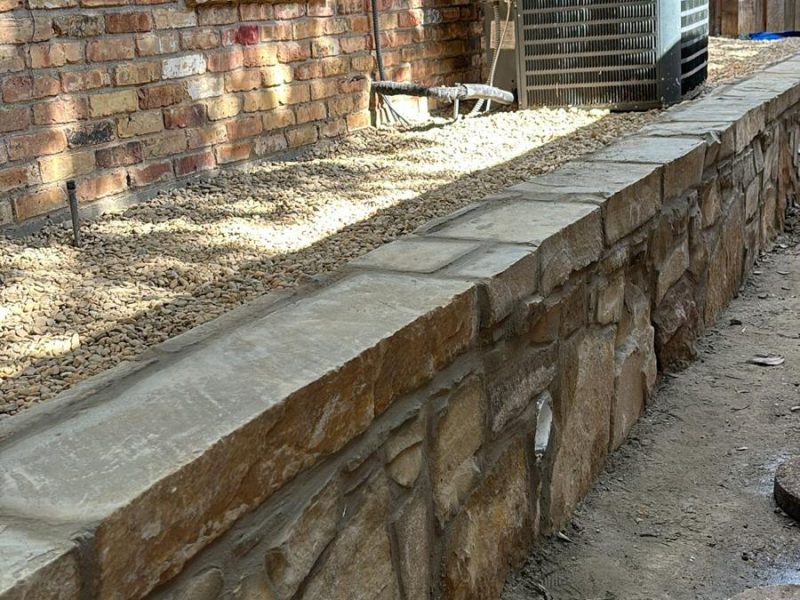
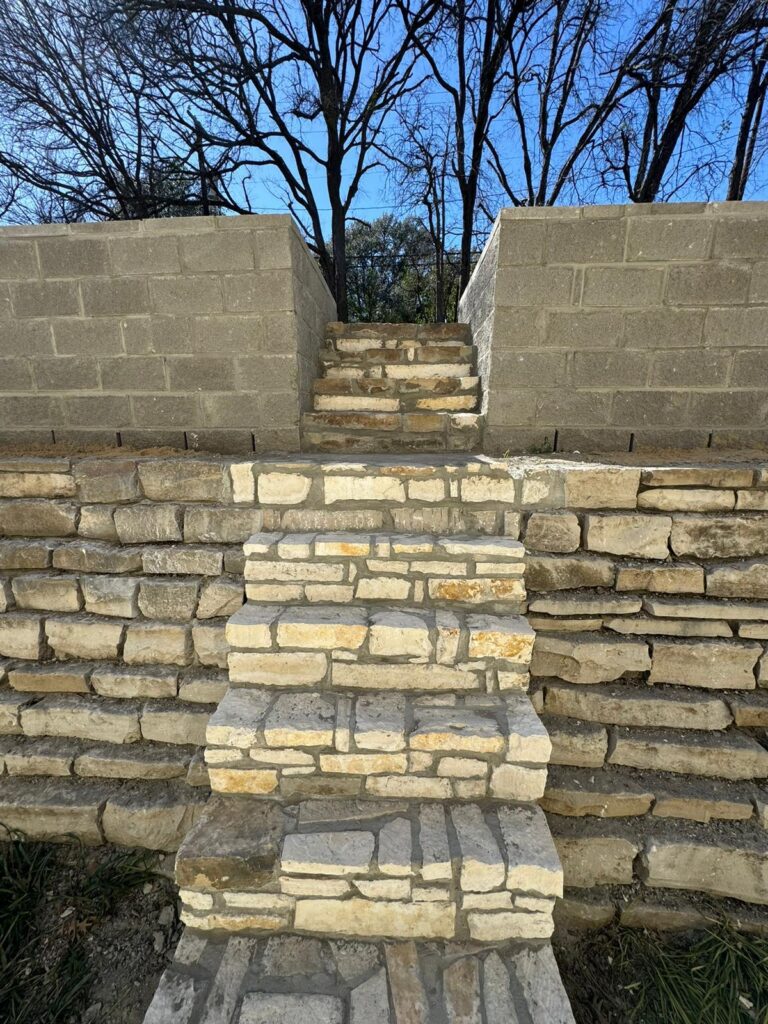
- Natural Stone: Timeless appeal with superior resistance to weathering.
- Brick: Elegant and classic, best for decorative walls.
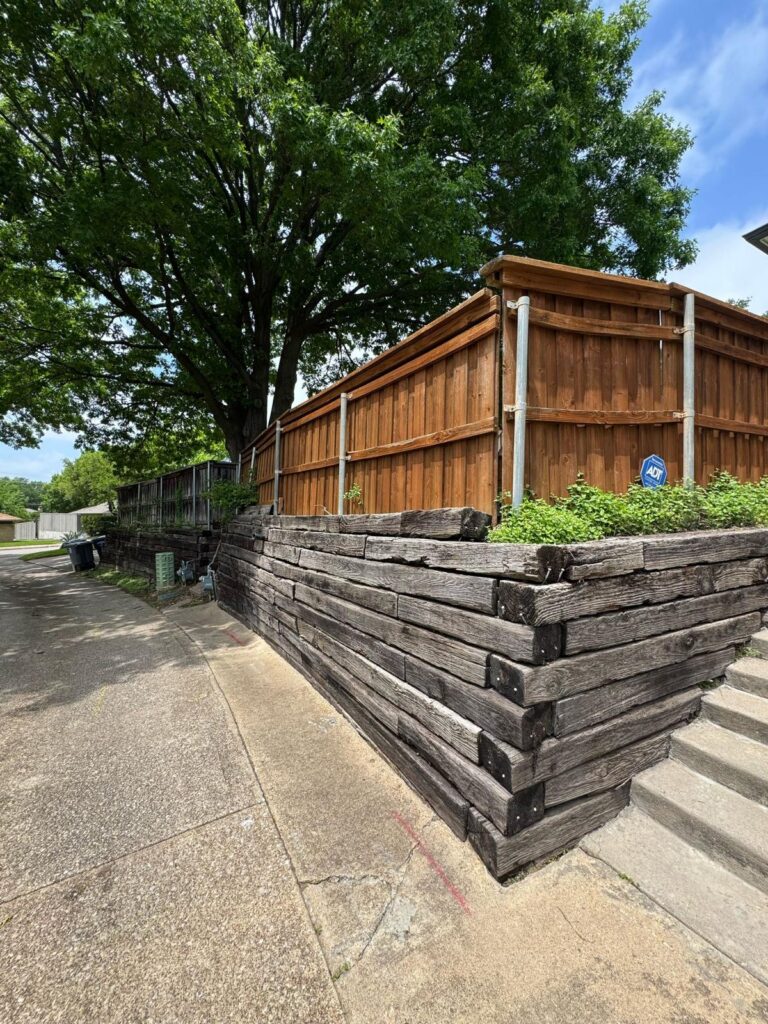
- Timber: Natural appearance, ideal for smaller retaining systems.
Each material offers distinct advantages depending on your property layout and style. Concrete blocks are durable and cost-effective, while stone adds natural elegance that complements suburban landscapes. Brick creates a refined look for traditional homes, and timber blends seamlessly into green garden settings.
When choosing materials, consider long-term maintenance, drainage performance, and color coordination with your home’s exterior. A combination of materials can even deliver the perfect balance between beauty and endurance. You can learn more about durable building materials.
Proper Drainage: The Foundation of Wall Longevity
Poor drainage is one of the most common reasons retaining walls fail in Arlington. Without proper water flow, hydrostatic pressure builds up behind the wall, leading to cracks and eventual collapse.
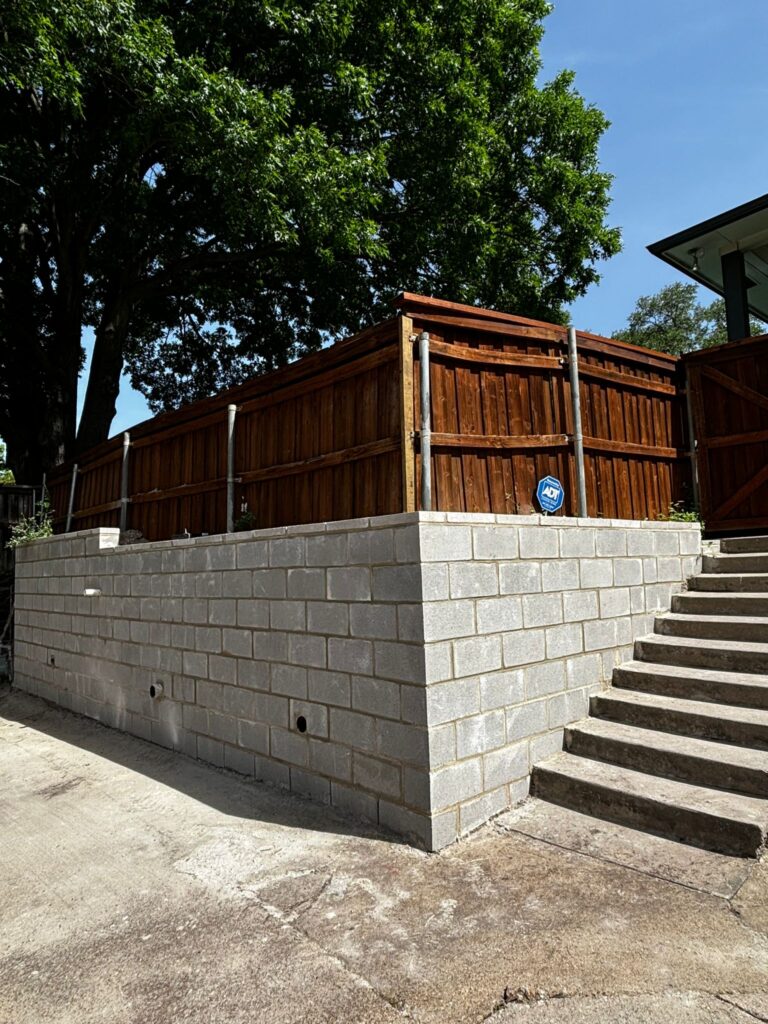
A well-designed drainage system includes gravel backfill, weep holes, and perforated pipes that direct water away from the wall. It’s equally important to grade your yard so that rainwater naturally flows away from the foundation.
Good drainage not only preserves the wall’s structure but also protects surrounding patios, gardens, and driveways. This simple yet vital upgrade ensures your retaining wall remains safe and strong for decades. For additional information, you can read more about professional installation tips.
How Retaining Walls Improve Safety and Stability
- Provides structural reinforcement for sloped properties.
- Prevents soil movement during heavy rainfall.
- Protects nearby pathways and driveways from erosion.
- Creates safer, level ground for outdoor living spaces.
Safety should always be the priority when upgrading retaining walls. Professional builders analyze your soil type, wall height, and pressure zones to ensure the structure can handle environmental stress.
The use of reinforced concrete, steel bars, and high-grade geogrid fabric increases overall stability. This engineering-focused approach minimizes risk while guaranteeing a longer lifespan for your wall. You can learn more about local construction safety methods.
Design Enhancements for Curb Appeal
A retaining wall doesn’t have to look industrial or plain. The right upgrades can enhance the beauty of your outdoor landscape while serving its functional purpose.
Designers often recommend combining textured blocks or natural stone veneers for a premium finish. Adding tiered levels can create garden terraces or seating spaces that make your yard more inviting. LED lighting along the edges improves nighttime visibility and aesthetic charm.
These design choices instantly boost curb appeal and make your property stand out competitive housing market. For more ideas, you can discover style inspiration.
Modern Methods for Stronger, Longer-Lasting Walls
- Reinforced concrete cores that reduce cracking.
- Interlocking block systems that prevent shifting.
- Water-resistant coatings for moisture control.
- Sealed joints that block soil movement.
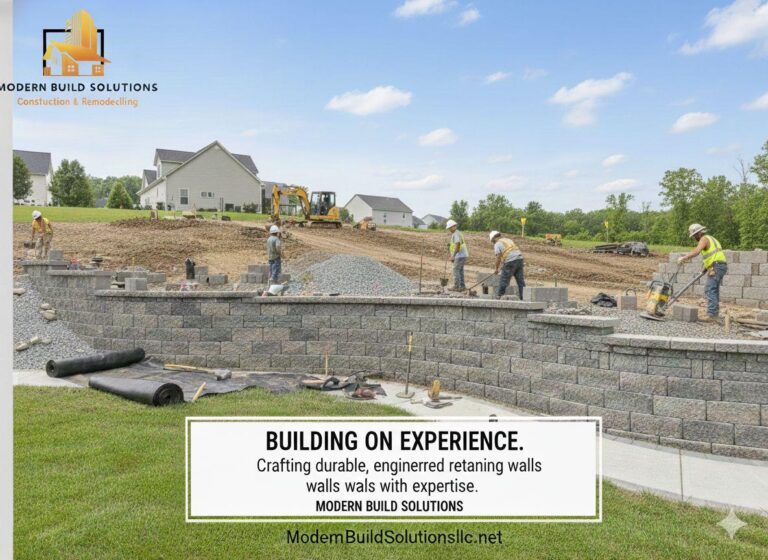
Modern retaining wall construction goes beyond traditional stacking. Engineers now use innovative materials and structural systems to ensure durability under extreme conditions.
In Arlington’s humid and rainy seasons, these advancements protect against expansion and shrinkage of clay-heavy soil. The result is a wall that stays straight, secure, and visually appealing year after year.
Sustainability in Retaining Wall Construction
As eco-friendly building becomes more popular, many homeowners are choosing sustainable materials and practices for their retaining walls.
Builders can use recycled concrete, locally sourced stone, or reclaimed brick to reduce environmental impact. Incorporating greenery or native plants within wall tiers also helps absorb runoff and prevent erosion.
These sustainable upgrades not only reduce waste but also contribute to a cooler, more natural environment. To learn about environmentally conscious designs, you can find helpful resources.
When to Replace or Upgrade Your Wall
- Visible leaning or cracks that continue to widen.
- Water collects at the base after heavy rain.
- Soil displacement or bulging along the wall’s surface.
- Signs of decay in timber or mortar erosion in brick walls.
Ignoring these warning signs can lead to complete structural failure and costly property damage. A professional inspection helps determine whether repair or full replacement is the better option.
Homeowners in Arlington should schedule annual assessments, especially after major storms. This proactive step ensures safety while preserving your landscape’s value and beauty. You can get expert evaluation advice.
Conclusion
Upgrading your retaining wall is more than a cosmetic improvement; it’s a structural investment in your property. By choosing the right materials, ensuring proper drainage, and integrating modern design elements, you enhance both safety and aesthetics.
Retaining walls that combine beauty with engineering strength not only protect your landscape but also elevate the overall look of your home. You can discover additional resources about professional retaining wall upgrades and related services.
For homeowners seeking reliability and craftsmanship, Modern Build Solutions delivers lasting value through expert design and durable construction. Their team ensures each wall is built for longevity and visual harmony. To learn more or discuss your next project, you can connect with their specialists.
Frequently Asked Questions
What is the best material for retaining walls in Arlington, TX?
Concrete blocks and natural stone provide the best mix of durability and appearance.
How long does a professionally built wall last?
When properly installed and maintained, most walls last between 30 and 50 years.
Can poor drainage cause wall failure?
Yes, trapped water creates pressure that leads to cracks and leaning over time.
What are the signs that my retaining wall needs repair?
Cracks, tilting, and soil erosion near the base are key warning signs.
Do I need permits for retaining wall construction?
Yes, depending on height and location, local permits are often required.
Can a retaining wall add property value?
Absolutely well-designed walls improve both safety and curb appeal.
What maintenance does a retaining wall require?
Regular inspections and cleaning of drainage outlets are essential.
Are eco-friendly materials durable enough for retaining walls?
Yes, recycled concrete and natural stone offer both strength and sustainability.
How can I prevent erosion around my wall?
Proper grading, plant cover, and water channels reduce erosion risks.
When is the best time to schedule retaining wall upgrades?
Spring and early summer are ideal for construction in Arlington’s climate.