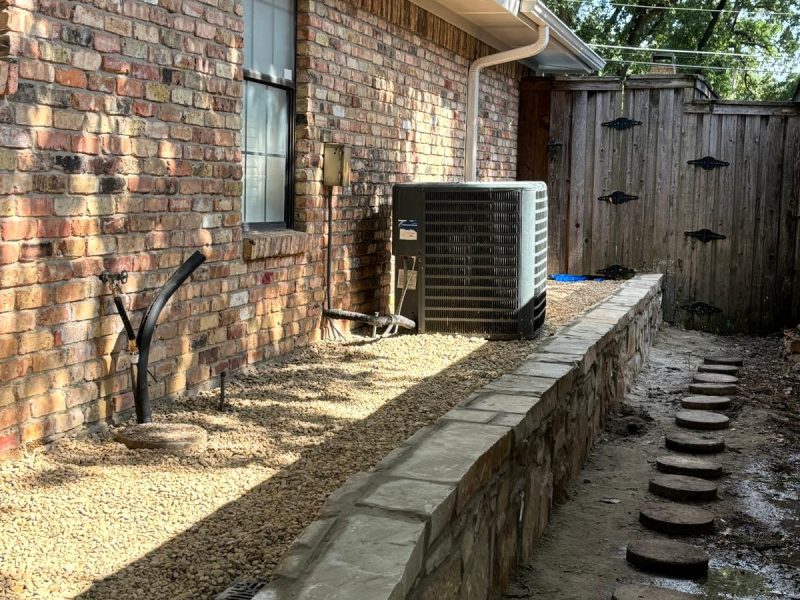
Building a retaining wall in Arlington, TX, is one of the most effective ways to manage sloped terrain, control erosion, and stabilize outdoor spaces. Homeowners often begin these projects without a clear understanding of the full cost breakdown, which can make budgeting difficult. By reviewing project planning insights and material comparison notes, it becomes easier to estimate expenses and choose the best design for your property’s needs. The final price depends on materials, wall height, labor requirements, drainage features, and site challenges. Whether the goal is decorative improvement or structural reinforcement, understanding cost variables helps prevent surprises and supports smarter decision-making throughout the project. This guide explains the essential components that influence retaining wall pricing so Arlington residents can plan confidently and achieve lasting results.
Understanding the Core Cost Factors of Retaining Wall Construction
Retaining wall costs vary widely depending on height, length, soil type, material selection, and installation complexity. Arlington homeowners often begin by reviewing retaining structure budgeting considerations to understand which elements influence total expenses. Labor typically represents a significant portion of the cost, especially on steep or uneven terrain. Additional structural needs, such as reinforcement, drainage features, or deeper excavation, can further affect the budget. Knowing these variables early helps set realistic expectations and guides material and design choices.
Material Costs for Popular Retaining Wall Options
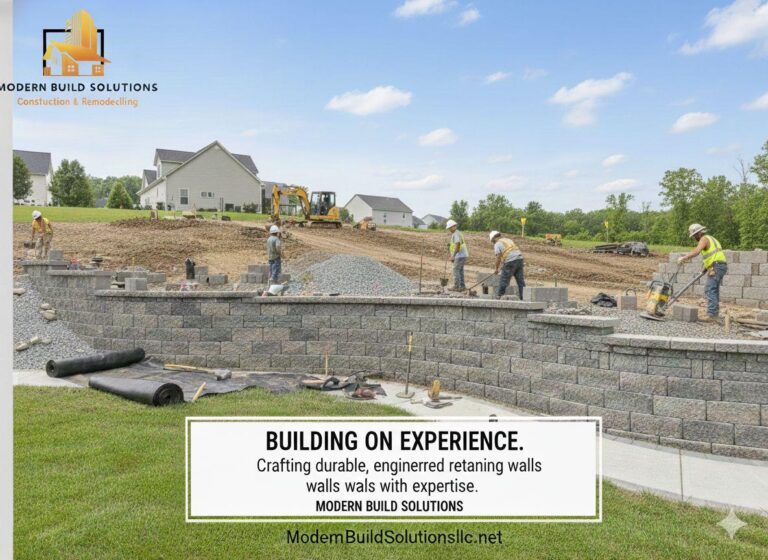
Different retaining wall materials come with different price ranges, making it important to compare options carefully. Concrete blocks, natural stone, timber, and poured concrete each offer unique benefits in terms of durability and visual style. Reviewing material comparison notes helps Arlington homeowners understand what fits their project best.
Typical material cost ranges include:
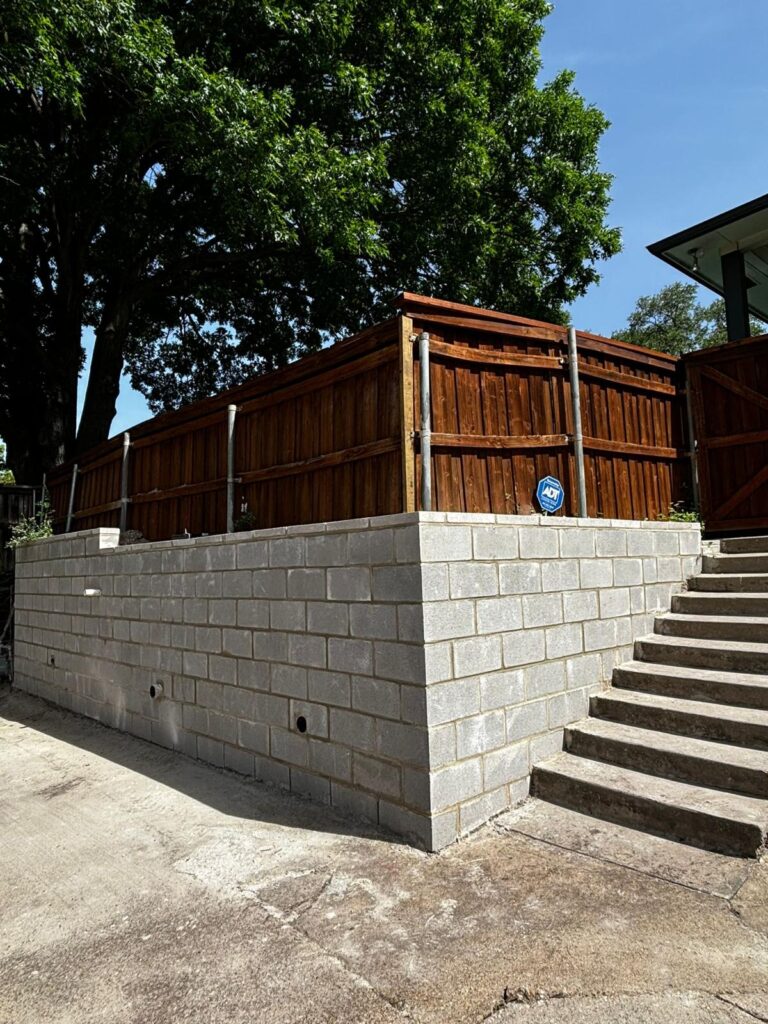
- Concrete block: economical and versatile
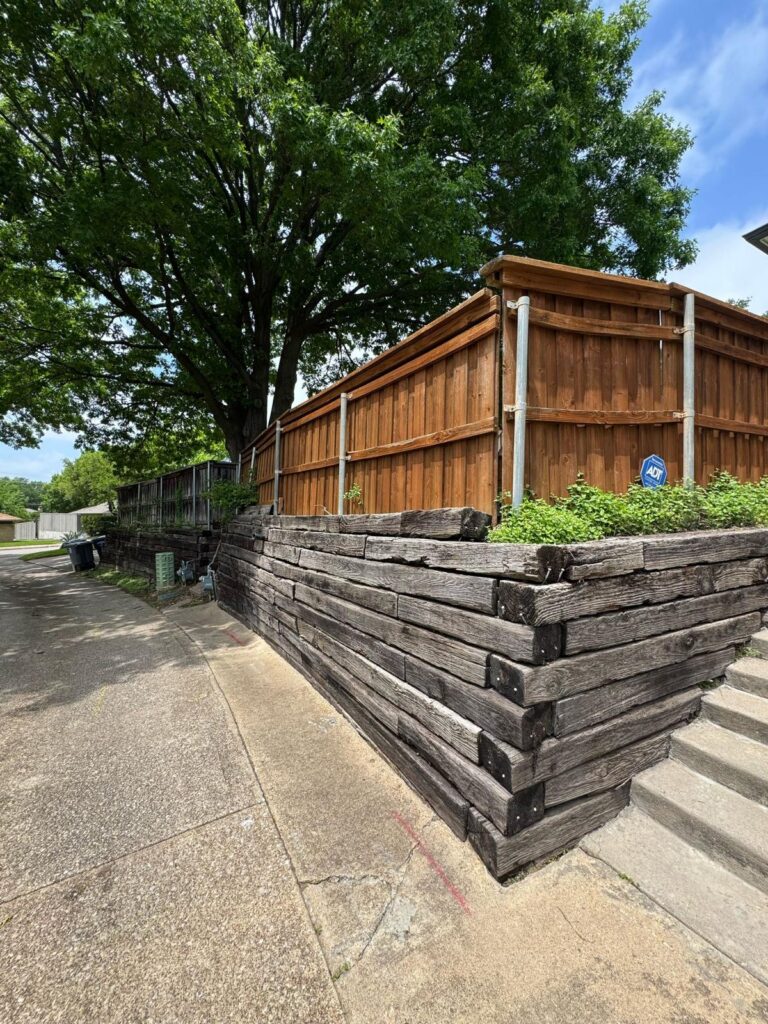
- Timber: lower upfront cost with rustic appeal
- Natural stone: premium pricing with elevated aesthetics
- Poured concrete: higher cost with maximum structural strength
Labor and Installation Expenses in Arlington, TX
Labor significantly impacts total project pricing due to excavation, grading, reinforcement, and precise block placement. Contractors must assess soil conditions and elevation changes to determine installation requirements. Additional time is often needed for leveling, compaction, and drainage preparation. Homeowners reference installation preparation guidance to understand why professional labor is essential for structural integrity. Skilled installation ensures the wall remains stable over time, preventing tilting, cracking, or collapse. Labor rates vary depending on project size and complexity.
How Wall Height and Length Affect Your Overall Cost
Retaining wall dimensions heavily influence total expense because larger walls require more materials, deeper reinforcement, and increased labor. Even small increases in height can significantly change the project scope. Arlington residents often use project sizing assessments to plan accordingly.
Ways height and length impact cost:
- Taller walls require stronger reinforcement systems
- Longer walls increase material volume and installation time
- Additional engineering may be required for walls above certain heights
- Excavation depth grows with wall size
The Importance of Proper Drainage and Its Cost Impact
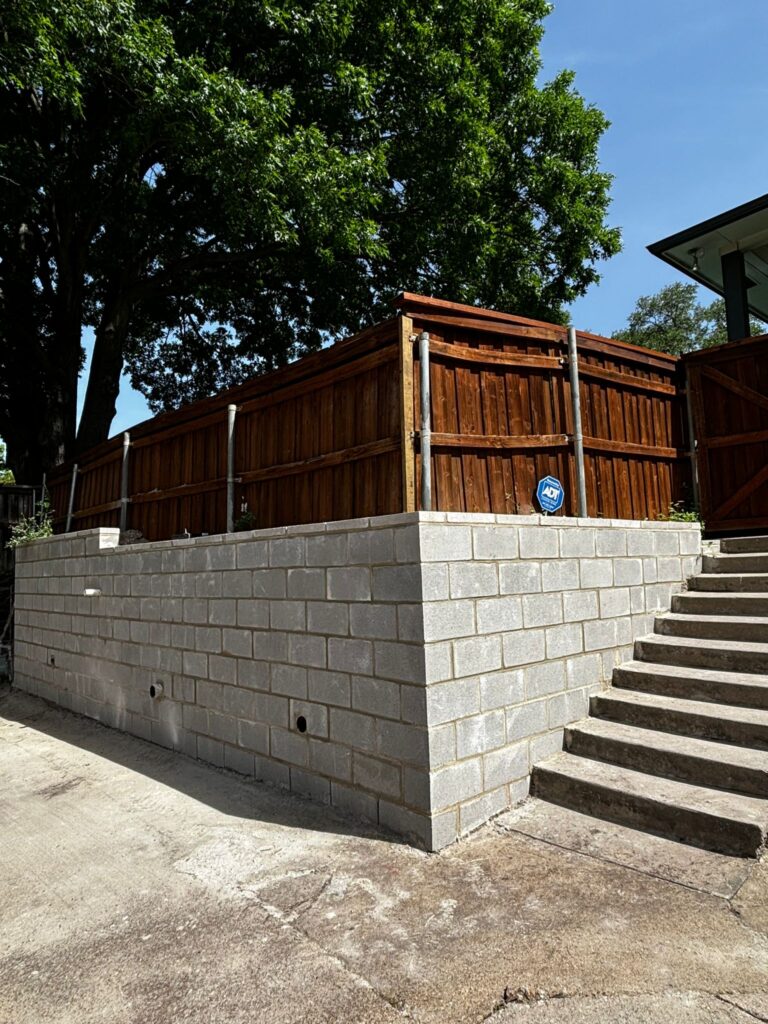
Drainage plays a critical role in preventing water pressure buildup behind the wall. Adding gravel backfill, perforated piping, and weep holes protects the structure from long-term damage. Homeowners rely on water management references to evaluate drainage needs based on their soil type and slope conditions. Although drainage increases overall cost, it prevents expensive future repairs. Proper drainage also enhances wall longevity, ensuring the structure remains strong during the heavy rainfall common in Arlington TX.
Additional Features That Influence Total Project Pricing
Many homeowners choose to add optional features that increase both function and appearance. Decorative finishes, integrated lighting, and landscaping enhancements can elevate the final look. Expanded reinforcement or geogrid may also be needed, depending on soil conditions. Reviewing enhancement selection notes helps determine what additions fit your goals.
Common add-on features include:
- Textured or colored wall blocks
- Integrated seating or planters
- Terraced step designs
- LED accent lighting for visual appeal
Site Conditions and Accessibility Challenges
Site conditions play a major role in determining project pricing. Uneven terrain, limited equipment access, tree roots, and existing structures may require additional excavation and labor. Many Arlington homeowners consult terrain assessment references to evaluate potential challenges before budgeting. Difficult sites may require specialized equipment or additional crew members to ensure safe installation. Accounting for these variables early helps create accurate cost expectations and prevents delays or unexpected adjustments during construction.
Budgeting Tips for Planning a Retaining Wall Project in Arlington, TX
Planning ahead makes it easier to manage expenses and avoid overspending. Reviewing cost estimate guidance and long-term landscape stability information helps Arlington residents prepare for both immediate and ongoing expenses. Thoughtful planning can also prevent costly redesigns or material changes.
Helpful budgeting tips include:
- Gather multiple estimates from qualified contractors
- Compare material performance versus price
- Plan drainage features early to avoid future repairs
- Leave room for unexpected adjustments
Conclusion
Retaining wall projects in Arlington, TX, involve multiple cost components, from materials and labor to drainage systems and optional design features. Understanding these elements early helps homeowners make informed decisions that support long-term performance and landscape stability. With guidance from material comparison notes, installation preparation guidance, and terrain assessment references, it becomes easier to evaluate expenses and choose options that fit both style and function. When homeowners decide to explore professional installation or request more detailed project planning support, Modern Build Solutions is available through the communication options on the website to provide assistance, share insights, and offer resources for retaining wall improvements that match individual property needs.
Frequently Asked Questions
1. How much does a typical retaining wall cost in Arlington, TX?
Costs vary based on materials, height, length, and site conditions. Pricing ranges widely depending on project complexity.
2. Are concrete blocks more affordable than natural stone?
Yes, concrete blocks typically cost less and offer strong structural performance.
3. Does wall height affect permit requirements?
In many cases, taller walls require engineering approval or local permits.
4. Why is drainage so important?
Proper drainage prevents water pressure from damaging or shifting the wall over time.
5. How does soil type impact cost?
Unstable or clay-heavy soils may require additional reinforcement and excavation.
6. Are terraced retaining walls more expensive?
Terraces increase labor and materials but also provide functional benefits and added design value.
7. How long do retaining walls last?
With proper materials and installation, walls can last several decades.
8. Can I build a retaining wall myself?
Small walls may be DIY-friendly, but structural or tall walls require professional installation.
9. Do decorative finishes increase cost?
Yes, textured blocks, custom colors, and added features increase overall pricing.
10. Should I get multiple project quotes?
Absolutely. Comparing estimates helps ensure accurate pricing and informed decisions.