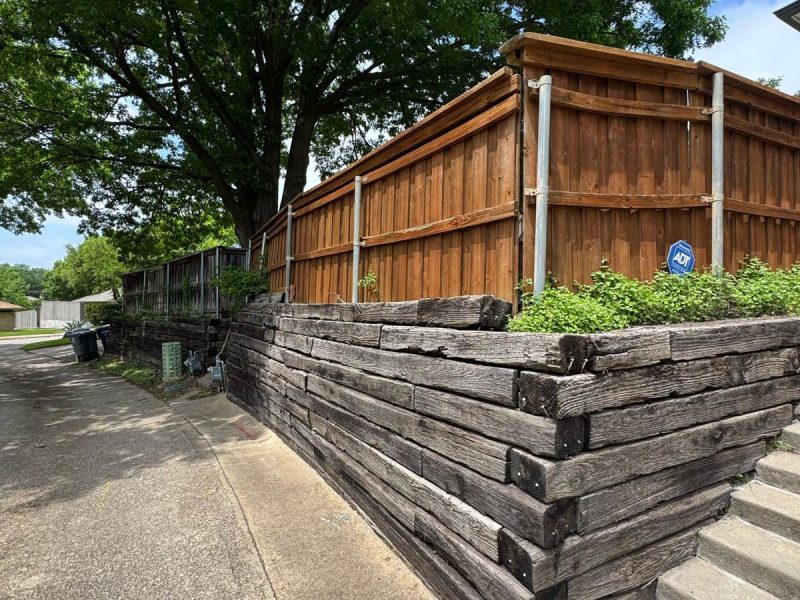
If your retaining wall is leaning, cracking, or showing signs of erosion, it’s more than an eyesore; it’s a safety concern. In Arlington, TX, where changing weather and soil movement are common, retaining wall stability plays a crucial role in protecting your property. Over time, poor drainage, shifting ground, or age can cause these structures to weaken.
Understanding how to properly assess and repair your retaining wall helps you prevent costly damage and ensure long-term stability. This complete guide explores why retaining wall issues occur, how to fix them safely, and what modern homeowners should know about reliable repairs.
Why Retaining Wall Repair Is So Important
- Prevents soil erosion and foundation shifting on your property.
- Reduces the risk of wall collapse, which can cause injury or property damage.
- Improves the appearance and value of your outdoor spaces.
Retaining walls aren’t just decorative; they serve a vital structural purpose. They hold back soil, prevent runoff, and maintain your landscape’s balance. When neglected, small cracks or tilts can lead to major issues, including water pooling or slope failure.
Arlington’s variable weather hot summers, sudden storms, and clay-heavy soil makes regular inspection and timely repair essential. You can learn more about protecting your landscape structures.
Common Signs Your Retaining Wall Needs Repair
Spotting early warning signs helps you act before minor problems become major hazards.
- Cracking, bulging, or leaning walls.
- Water stains or pooling near the base.
- Separation between wall blocks or bricks.
- Shifting soil or sunken sections behind the wall.
Homeowners often notice issues after heavy rainfall or long dry spells, both of which cause soil movement. Addressing these signs promptly keeps your wall strong and prevents costly rebuilding later.
You can explore expert structural care advice.
The Root Causes of Retaining Wall Failure
Many retaining wall problems start beneath the surface.
Poor drainage is one of the leading causes of damage in properties. When water builds up behind the wall, it increases pressure and leads to cracks or bowing. Other common causes include poor construction materials, improper reinforcement, or soil erosion at the foundation.
Choosing the right design, drainage, and material type during construction or repair is essential for long-term reliability. You can find more design guidance and maintenance strategies.
Safe Repair Techniques Used by Professionals
- Drainage correction to redirect water away from the wall.
- Wall anchoring to stabilize leaning structures.
- Grouting or epoxy injection to seal cracks and prevent water intrusion.
- Reinforcement with steel rods or tie-backs for long-term strength.
Professional contractors use precise engineering methods to assess wall stability and restore its integrity. Repair solutions depend on the wall type concrete, timber, or masonry) and the severity of damage.
When done correctly, a quality repair not only fixes visible problems but also extends the structure’s lifespan by years. You can discover proven reinforcement methods and material options.
Material Choices for Durable Repairs
Not all materials perform the same under Arlington’s climate.
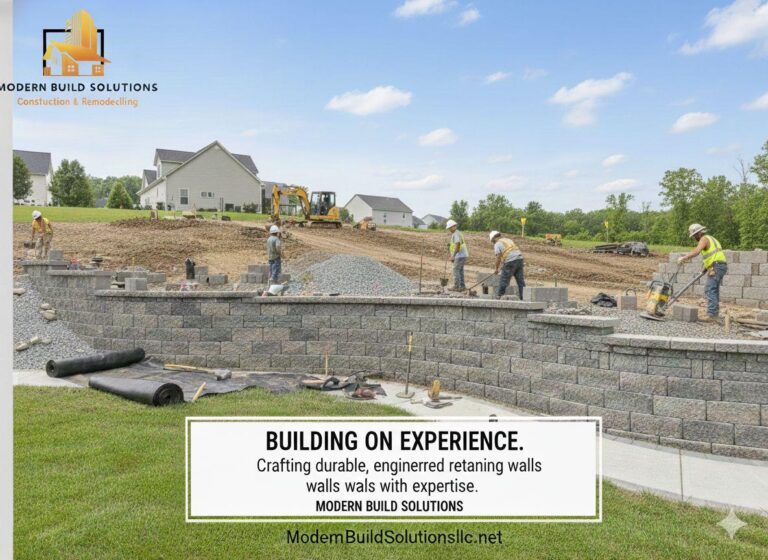
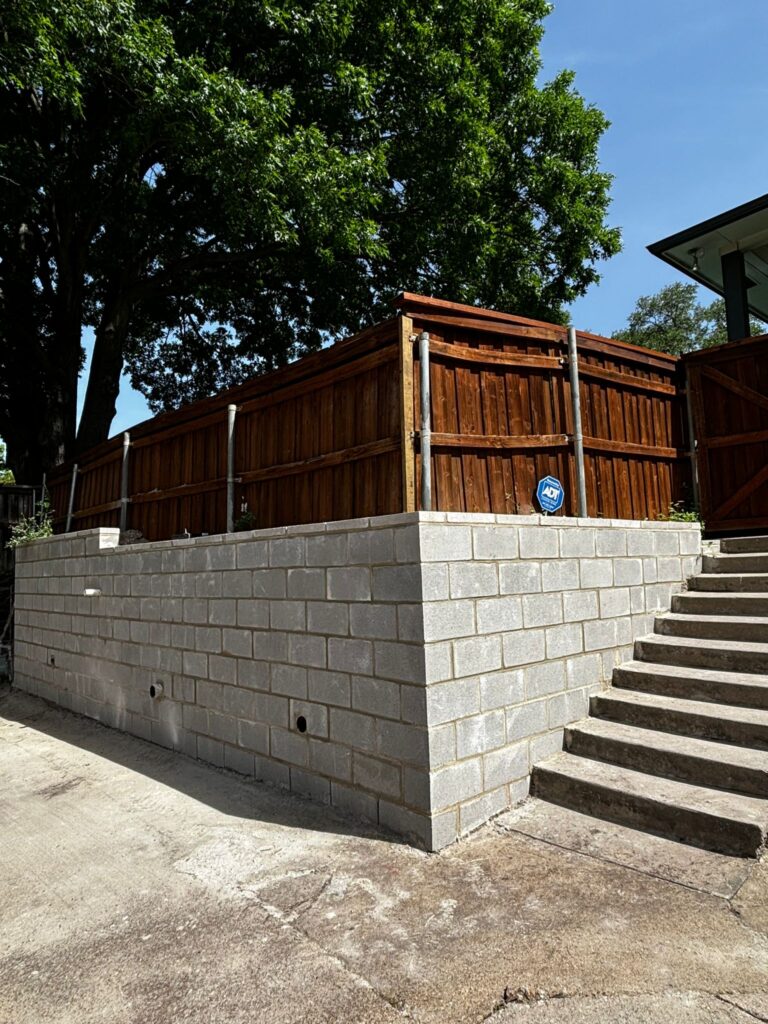
Concrete block walls are common for their strength and flexibility, while natural stone offers durability with a classic aesthetic. Timber walls, though attractive, may require more frequent maintenance due to moisture sensitivity. Reinforced concrete remains the top choice for long-term performance.
The right material depends on your property’s slope, soil type, and aesthetic goals. Homeowners can learn about advanced material upgrades and design possibilities.
Proper Drainage: The Key to Preventing Future Damage
- Install gravel backfill behind the wall to improve drainage.
- Use perforated drainpipes to channel water away.
- Ensure grading slopes away from the structure to avoid water buildup.
Drainage design often determines how long a retaining wall lasts. Without it, water accumulates behind the wall, increasing the hydrostatic pressure that leads to cracks or collapse.
In Arlington, where rainfall can be unpredictable, proper drainage systems ensure the soil remains stable year-round. You can find additional insights on effective water management techniques.
Cost Factors for Retaining Wall Repair
Repair costs vary depending on material type, wall height, and damage severity.
Smaller repairs like sealing cracks or adding drainage may be affordable, while rebuilding a large structural wall can cost more due to engineering requirements. Obtaining a professional inspection is the best way to understand the condition of your wall and prevent unnecessary expenses later.
For homeowners, proactive maintenance often saves thousands by avoiding full replacements. You can request expert evaluation or service consultations.
Safety Considerations During Repair
- Always assess soil stability before starting work.
- Use protective gear and follow OSHA-compliant safety measures.
- Hire trained professionals for heavy lifting, excavation, or reinforcement work.
Repairing a retaining wall may appear simple, but it often involves complex structural analysis. Attempting DIY repairs without understanding soil pressure or wall mechanics can lead to further damage or injury.
In Arlington’s dense neighborhoods and sloped properties, professional repair ensures both safety and compliance with local building codes. You can learn about construction safety and inspection standards.
Maintaining Your Retaining Wall After Repair
Routine maintenance helps keep your wall strong for years to come.
- Clean debris and check for cracks regularly.
- Ensure proper water drainage remains functional.
- Inspect after heavy rains for signs of soil shifting.
A well-maintained wall protects your landscape and prevents recurring damage. For Arlington residents, scheduling seasonal inspections before and after major weather events is a wise habit.
You can get expert maintenance tips and seasonal preparation ideas.
Eco-Friendly Retaining Wall Options
As sustainability grows in popularity across, many homeowners are opting for eco-conscious materials.
Permeable blocks, recycled stone, and native vegetation can improve drainage and reduce environmental impact. These solutions help stabilize soil naturally while blending beautifully into your landscape design.
You can explore green construction practices and environmentally safe solutions.
Conclusion
Retaining wall repair requires expertise, precision, and a commitment to long-term safety. In Arlington, where soil conditions and weather patterns can change rapidly, timely repair prevents erosion, improves property safety, and preserves your home’s value.
A reliable repair approach starts with proper inspection, quality materials, and professional workmanship. To learn about trusted structural repair and design services, visit.
For homeowners ready to restore their retaining wall with confidence, Modern Build Solutions offers dependable craftsmanship and structural expertise throughout Arlington, TX. Their team ensures every repair is completed with attention to safety and lasting performance. To schedule your consultation or discuss your project goals, you can reach out to their specialists directly.
Frequently Asked Questions
What causes most retaining wall failures?
Poor drainage and soil pressure are the leading causes.
Can small cracks be repaired without replacing the wall?
Yes, early-stage cracks can often be sealed with grout or epoxy.
How often should I inspect my retaining wall?
Twice a year, preferably before and after the rainy season.
Is retaining wall repair covered by insurance?
It depends on the cause of damage; check with your policy provider.
Can I DIY a leaning wall repair?
No, leaning walls typically require professional structural correction.
What is the average cost for repair in Arlington?
Costs vary but generally range from a few hundred to several thousand dollars based on damage.
Are retaining wall permits required for repair?
In many neighborhoods, yes, especially for major reconstruction.
What materials last the longest in Texas climates?
Reinforced concrete and stone are preferred for longevity and stability.
Can vegetation damage retaining walls?
Overgrown roots can create pressure; trimming or root barriers help prevent damage.
When is the best time to schedule retaining wall repair?
Spring and early fall offer ideal weather for excavation and construction.