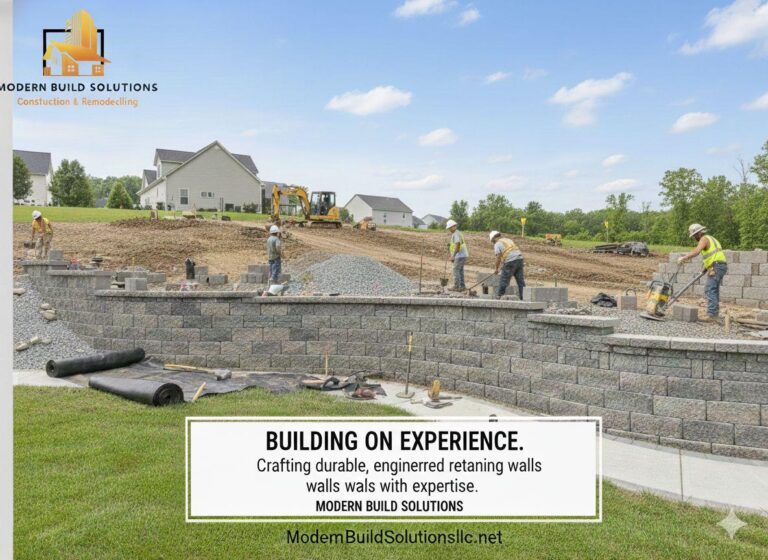
In Arlington, retaining walls are more than decorative features; they are essential to protecting your property from soil movement, water damage, and erosion. Yet many homeowners underestimate the cost of neglecting them. Cracks, leaning, or drainage problems may appear minor, but waiting too long to fix these issues can lead to major structural damage and costly replacements later.
By investing in timely retaining wall repairs, you can protect your home’s foundation, maintain your landscape’s beauty, and save thousands in the long run. This guide explains how proactive maintenance, proper materials, and local expertise can make all the difference for homeowners.
Why Timely Repairs Save Money
- Prevents minor cracks from turning into expensive rebuilds.
- Stops water damage that weakens the structure.
- Reduces landscape repair and soil replacement costs.
- Extends the lifespan of your retaining wall.
Small issues, when ignored, can escalate quickly. In Arlington’s humid climate, even tiny cracks can allow moisture to seep in, causing soil pressure buildup. Over time, this leads to leaning walls and complete structural failure. Fixing those problems early can cost a fraction of what a full replacement would require.
You can learn more about expert retaining wall solutions.
Understanding the True Cost of Delay
When damage goes unchecked, repair costs rise significantly. A minor repair might cost only a few hundred dollars, while a collapsed section could demand thousands. The soil erosion that follows can also affect patios, fences, or nearby driveways, adding unexpected expenses.
Arlington’s soil conditions, especially clay-based types, expand when wet and shrink when dry. This movement stresses retaining walls over time. Acting promptly allows you to address problems before they become serious threats to your yard’s stability or your wallet.
For more details on local property conditions, you can explore regional maintenance tips.
Key Signs Your Retaining Wall Needs Repair
- Horizontal or vertical cracks along the wall.
- Soil or water is leaking through the joints.
- Bulging or leaning that worsens after rainfall.
- Loose bricks or separated concrete blocks.
These warning signs signal that pressure is building behind your wall. Timely inspection helps you catch these early and avoid major replacement costs. In Arlington, frequent rain and summer heat accelerate wear, making routine checks especially important.
If you notice any of these issues, it’s best to schedule a professional assessment.
How Proper Drainage Prevents Future Damage
One of the most overlooked causes of wall failure is poor drainage. Retaining walls in Arlington face heavy rain during certain seasons, and trapped water increases hydrostatic pressure that can push the wall forward.
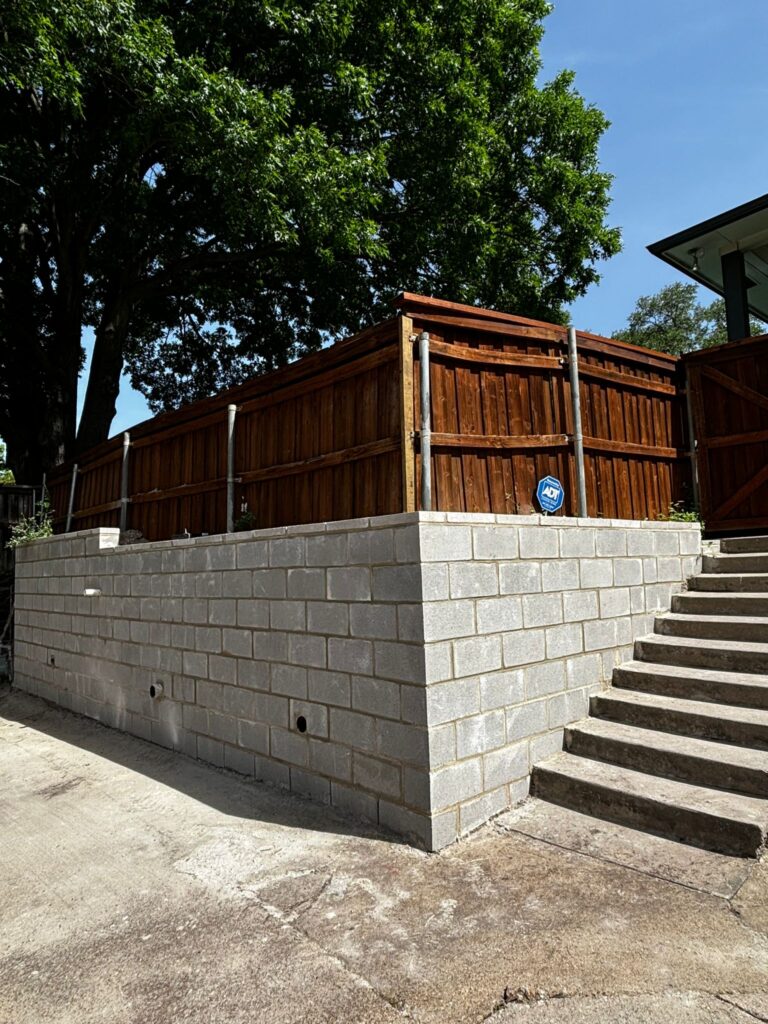
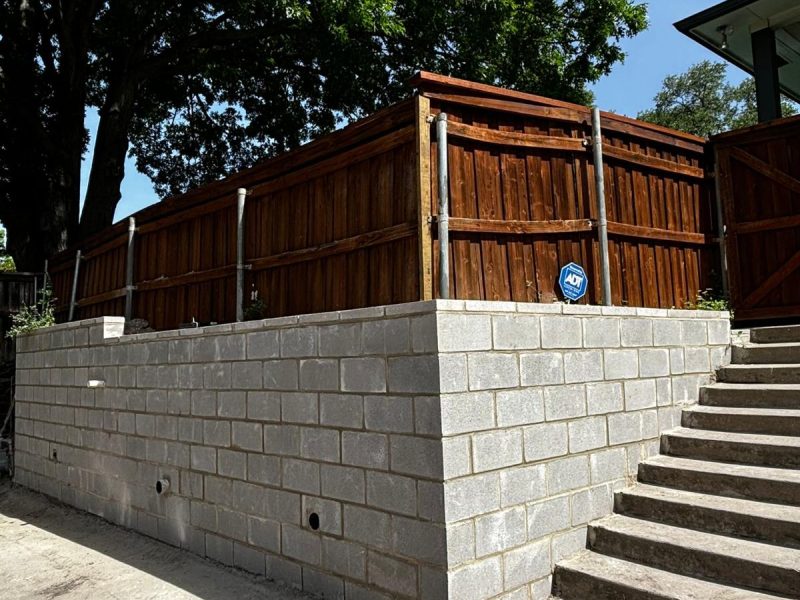
A properly repaired wall includes gravel backfill, drain pipes, and weep holes to allow water to escape naturally. These elements reduce pressure and extend the life of the wall.
You can also improve the grading of your landscape so rainwater flows away from your property. Addressing drainage during repair saves money by preventing repeat problems. To learn more, you can review construction insights.
Cost-Effective Materials for Long-Term Savings
- Concrete Blocks: Affordable and sturdy for most retaining walls.
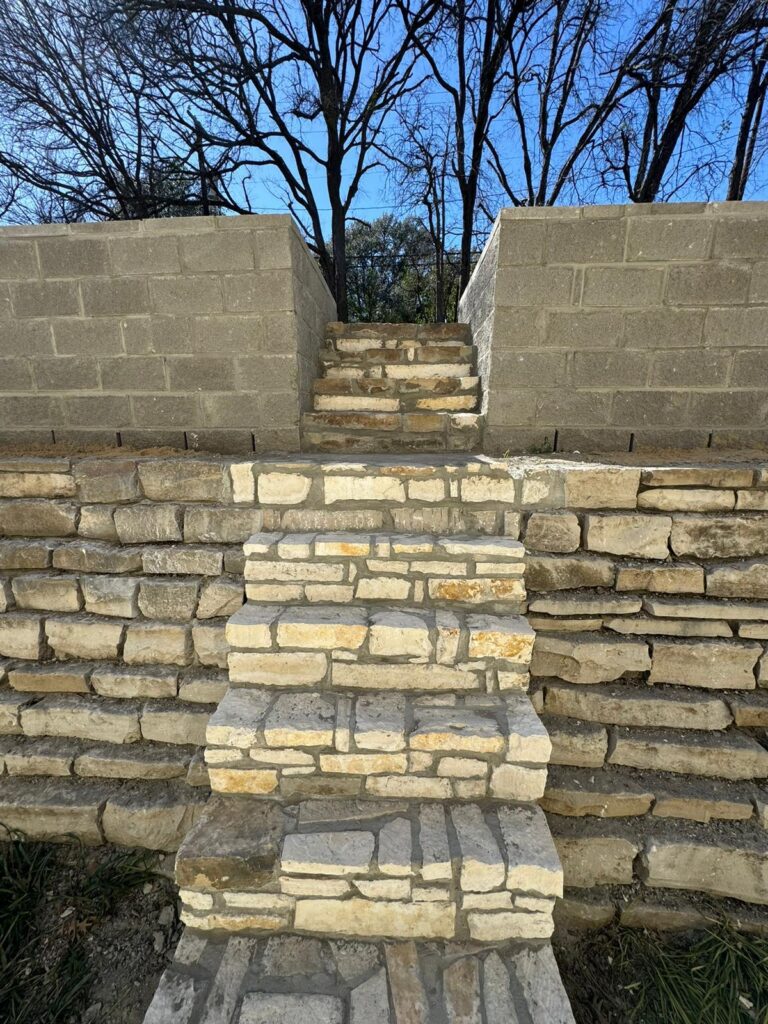
- Natural Stone: Durable, weather-resistant, and visually appealing.
- Reinforced Concrete: Best for high-load walls in sloped yards.
- Brick: Attractive choice for decorative or residential areas.
Each material affects both upfront and long-term costs. Concrete blocks are typically the most budget-friendly while still offering strength and longevity. Stone requires more labor but offers decades of durability with minimal maintenance.
For most Arlington homeowners, choosing the right material means balancing aesthetics, cost, and soil conditions. You can explore professional material options.
The Role of Regular Maintenance
Preventive maintenance keeps your retaining wall strong and reduces future expenses.
Cleaning drains, sealing cracks, and inspecting for soil movement twice a year can make a major difference. These tasks may seem minor, but they significantly delay the need for expensive reconstruction.
In Arlington, seasonal temperature shifts cause ground movement that gradually loosens joints and mortar. Routine upkeep minimizes this risk, ensuring your retaining wall remains stable and effective year-round.
Enhancing Curb Appeal While Saving Costs
- Add decorative finishes like stone veneer for a modern touch.
- Install lighting to highlight your landscape safely.
- Use planters or terraces to blend function and beauty.
- Repaint or seal exposed surfaces for weather protection.
Retaining wall repairs aren’t just about safety; they’re also opportunities to upgrade design. Enhancing appearance during repair adds value without requiring a complete rebuild.
For Arlington properties, combining function and style increases resale value and reduces long-term maintenance. You can find design inspiration.
Professional Repair vs. DIY
While small cosmetic fixes may seem manageable, professional repair ensures lasting safety and compliance with local codes. Experts analyze soil pressure, drainage, and load capacity factors that homeowners may overlook.
DIY repairs without proper support or reinforcement often fail quickly, leading to higher costs later.Building regulations often require certified repair methods for taller or load-bearing walls. Relying on professionals ensures proper drainage, stability, and long-term savings.
If you want expert advice, you can connect with specialists.
Sustainable Repair Practices That Reduce Waste
- Use recycled concrete or stone to lower costs and environmental impact.
- Install efficient drainage systems to avoid future reconstruction.
- Choose locally sourced materials for reduced transport costs.
- Combine repairs with landscaping improvements for added value.
Sustainability not only benefits the environment but also your budget. Eco-friendly repair materials often last longer and require less maintenance. Arlington’s growing focus on green construction makes this a smart and responsible choice for homeowners.
You can learn more about sustainable building methods.
Conclusion
Timely retaining wall repairs are one of the smartest financial decisions Arlington homeowners can make. By addressing small issues early, improving drainage, and selecting durable materials, you save money while protecting your property for years to come.
Whether it’s a minor crack or a leaning section, proactive maintenance always costs less than full reconstruction. You can find more information about professional retaining wall repair and maintenance services.
For expert craftsmanship and trusted local service, Modern Build Solutions provides reliable retaining wall repairs throughout. Their experienced team uses proven methods that extend wall life and enhance property appeal. To discuss your project or request an inspection, you can reach their team directly.
Frequently Asked Questions
How often should retaining walls be inspected?
At least once a year, especially after rainy seasons or severe weather.
What are the first signs of retaining wall failure?
Cracks, bulging, or visible leaning are common early indicators.
Can drainage improvements extend wall life?
Yes, proper drainage prevents water pressure buildup that leads to damage.
Is it cheaper to repair or replace a retaining wall?
Early repairs are always cheaper than complete replacements.
What is the most durable material for retaining walls?
Reinforced concrete and natural stone provide the longest lifespan.
Are retaining wall repairs covered by insurance?
In some cases, yes, especially if damage is due to sudden events.
Can repairs improve property value?
Absolutely, both safety and curb appeal contribute to higher resale value.
How long do retaining wall repairs typically last?
When done professionally, most repairs last 20–30 years.
Can vegetation damage retaining walls?
Yes, deep-rooted plants can push against walls and cause cracks.
What is the best time of year for retaining wall repair?
Spring and fall offer ideal weather for stable construction and curing.